
Intertexta medic
Medicago intertexta (L.) Mill.
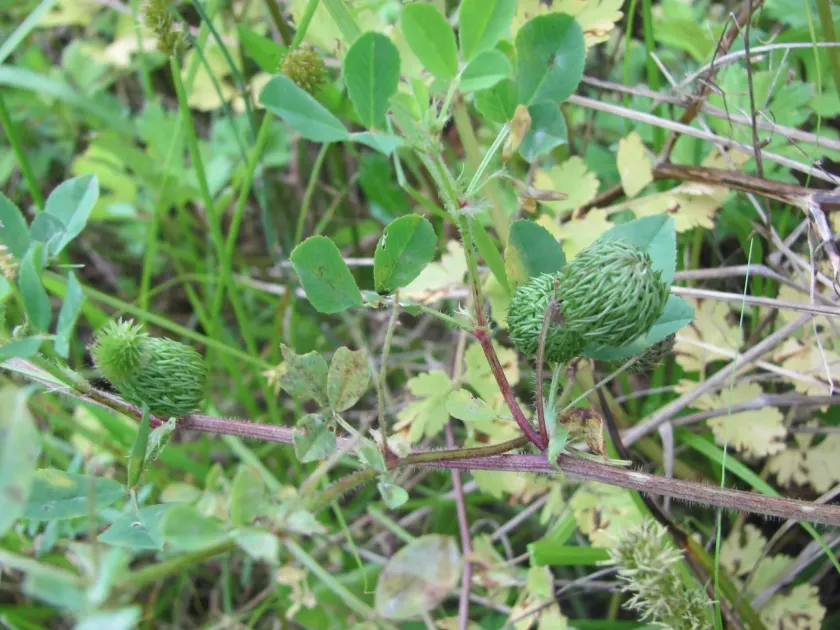
Description
Sowing dates
Medicago intertexta, commonly known as intertexta medic, is an annual forage legume within the Fabaceae family. It is gaining interest as a valuable component in Mediterranean-style farming systems for its nutritional qualities.
Sowing typically takes place in early spring when soil temperatures reach levels conducive to rapid germination. Preparing a fine, firm seedbed is essential for ensuring uniform seedling emergence and establishment.
Seeding rates must be adjusted based on local soil fertility and the intended use of the crop. Planting depth is generally shallow, ranging from 1 to 2 centimeters, to allow for optimal access to light after sprouting.
Early-season weed control is crucial, as the crop needs to establish its root system and canopy cover before the onset of summer drought. Planting in rows ensures easier management and nutrient distribution.
Using high-quality, certified seed treated with appropriate rhizobial inoculants is recommended to maximize nitrogen fixation. This practice ensures better initial growth and high protein content in the harvestable biomass.
Growing requirements
This crop thrives in sunny, warm climates where it can fully complete its life cycle before extreme heat sets in. It exhibits good drought tolerance due to a deep taproot system, making it suitable for arid regions.
Soil preferences include well-drained loams with a near-neutral pH balance. Areas prone to waterlogging should be avoided, as the species is highly susceptible to root decay when deprived of oxygen.
Fertilization strategies should prioritize phosphorus and potassium inputs to support robust plant architecture. Nitrogen fertilization is rarely required if proper inoculation with symbiotic bacteria is successful.
Managing soil compaction is vital, as the crop requires efficient air exchange for its symbiotic microorganisms. Tillage practices should focus on maintaining a crumbly soil structure during the initial growth stages.
Regular field inspection helps monitor moisture levels, as water stress during the flowering phase can significantly reduce seed yield. Providing supplemental irrigation in critical dry spells can stabilize overall productivity.
Main diseases and pests
Fungal diseases, including leaf spots and root rots, represent the most frequent threat, especially when humidity remains high for extended periods. Proper spacing between rows is a key cultural practice to improve airflow.
Pests like weevils and aphids can cause considerable damage to foliage and developing pods. Integrated pest management (IPM) strategies, which include biological control and crop rotation, are effective in minimizing risks.
Rodent damage can occur in winter or early spring, requiring monitoring and localized control measures. Protecting the field perimeter and maintaining cleanliness around the edges can help reduce wildlife attraction.
Ensuring that the seed bank is free from perennial weeds is essential, as some weed species can outcompete the medic during its initial phase. Selective pre-emergent herbicides can sometimes be used if necessary.
Regular cleaning of farm equipment before entering the field is a standard biosecurity measure. This prevents the accidental introduction of soil-borne diseases that could jeopardize the entire crop stand.