
Musk mallow
Malva moschata L.
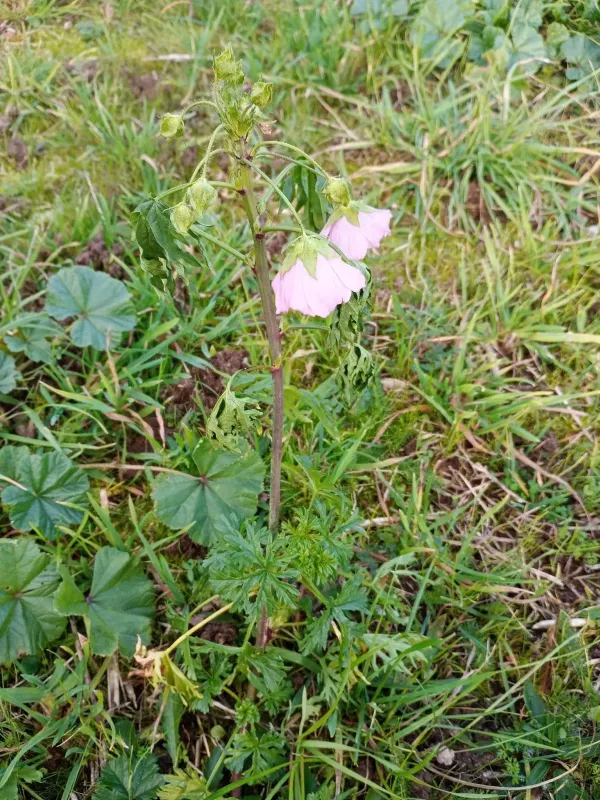
Description
Sowing dates
Musk mallow seeds are typically sown in early spring, from April to May, once the soil has warmed up sufficiently. Autumn sowing in October is also a viable option, allowing seeds to undergo natural cold stratification for better germination rates.
Seeds should be planted at a depth of approximately 1 to 1.5 centimeters. When planting in rows, it is recommended to maintain a spacing of 40-50 centimeters to ensure adequate airflow and room for the developing root system.
Pre-soaking seeds for a few hours can improve germination speed. Under favorable conditions, seedlings usually emerge within 14 to 20 days. Maintaining constant soil moisture during the germination phase is critical.
The plant has a high capacity for self-seeding, which should be managed in commercial plots. Thinning is recommended during the early development stage to prevent overcrowding and ensure healthy growth.
For greenhouse production, sowing begins in March. Transplants are moved to the field in May, providing the plants with a head start before the summer heat intensifies.
Growing requirements
As a member of the Malvaceae family, Musk mallow thrives in sunny locations. While it can tolerate partial shade, maximum flowering and nectar production occur only in full sun exposure.
The ideal soil is fertile, loose, and well-drained. Waterlogged soil is harmful to the plant, so areas prone to poor drainage should be avoided. The plant is adaptable to various soil pH levels, including slightly acidic and neutral types.
Musk mallow is highly hardy and capable of overwintering in temperate climates without needing special winter protection. Its resilience makes it a suitable candidate for sustainable perennial gardens.
While relatively drought-tolerant once established, regular irrigation is required during dry spells to maintain plant vigor. Excessive moisture, however, can lead to root diseases.
Fertilization with a balanced mineral mix at the beginning of the growth season encourages robust foliage and abundant flower production throughout the summer months.
Yield
Musk mallow is highly valued as a significant nectar source, attracting numerous bees and beneficial pollinators to the farm. This helps support the biodiversity of the surrounding ecosystem.
The aerial parts of the plant are harvested for medicinal purposes, as they are rich in mucilage, vitamins, and organic acids. Harvesting should be performed during peak flowering for optimal quality.
A single planting can remain productive for 3 to 5 years. Beyond this period, yield and plant health may begin to decline, indicating that the field needs to be replanted.
Seed harvesting should be timed carefully as soon as the capsules turn brown but before they release their seeds. Collected seeds should be dried in a well-ventilated area before storage.
Beyond its agricultural use, the plant functions as a natural ground cover, effectively suppressing weeds in garden beds due to its dense foliage, which reduces the need for frequent manual labor.
Main diseases and pests
Fungal diseases, such as rust and powdery mildew, are the most frequent threats to Musk mallow. These appear as spots or white powder on the leaves and require fungicide treatment to prevent spread.
Aphids are the primary pests that attack the soft buds and young shoots. Integrated pest management, including natural predators or mild insecticidal soaps, is highly effective for control.
Root rot is common in poorly drained soil. Ensuring good air circulation and preventing stagnant water at the base of the plant are the most effective preventative measures against this issue.
Slugs and snails can cause significant damage to young leaves, especially during wet seasons. Installing physical barriers or using non-toxic bait traps helps protect the foliage from these mollusks.
Nematodes can infest the roots, leading to stunted growth. Crop rotation and using disease-free soil are essential management practices to keep the population of these pests under control.