
Curly mallow
Malva verticillata L. var. crispa L.
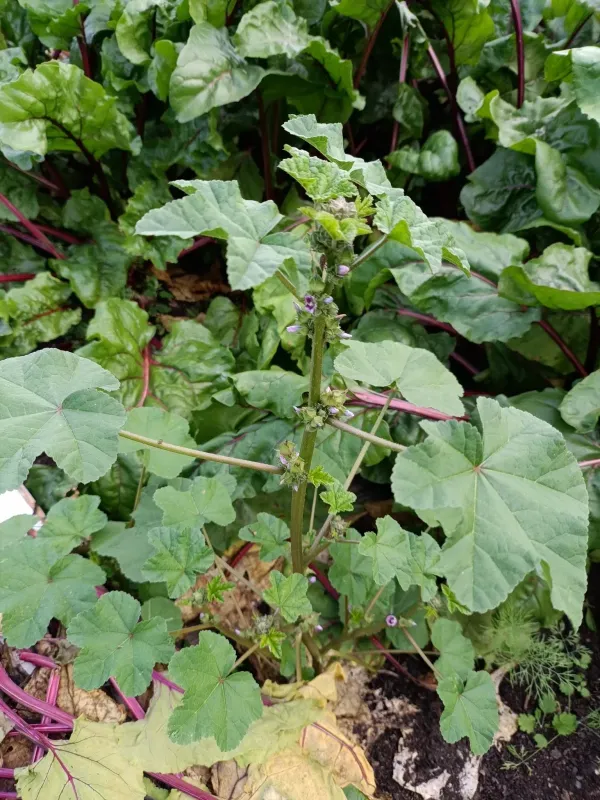
Description
Sowing dates
Curly mallow is primarily cultivated as an annual or biennial crop. Seeding should occur in early spring once the soil temperature has consistently reached 8–10 degrees Celsius.
Seeds are sown into moist soil at a depth of 1.5 to 2 centimeters. Maintaining proper row spacing is essential to ensure that each plant has enough nutrients and space to develop into a robust, high-yielding specimen.
Uniform germination requires maintaining soil moisture levels for the first two weeks. After the emergence of the first true leaves, thinning is recommended, leaving 30–40 centimeters between plants.
The plant exhibits high growth vigor, often allowing for multiple cuttings throughout a single growing season if sown early. Autumn sowing is generally avoided due to the susceptibility of young seedlings to frost damage.
In commercial cultivation, wide-row seeding with intervals of up to 50 centimeters is preferred, which facilitates mechanical weeding and cultivation processes.
Growing requirements
Curly mallow thrives in well-lit locations with fertile, well-structured soil. Loamy or sandy-loam soils with a neutral to slightly acidic pH are ideal for optimal development.
While the plant shows moderate drought resistance, consistent watering is crucial for achieving high yields of succulent green biomass, particularly during periods of active growth.
The crop is highly responsive to the application of organic fertilizers, such as compost or well-rotted manure, which significantly improves biomass production and overall plant health.
Temperature requirements for curly mallow fall within the 18–25 degrees Celsius range. Growth slows significantly during prolonged cold spells, so choosing a protected, sheltered site is advisable.
Proper soil drainage is non-negotiable, as the plant is sensitive to waterlogging. Avoiding low-lying areas or improving existing drainage systems is a prerequisite for successful cultivation.
Yield
Yield potential of curly mallow is strongly linked to soil fertility and the frequency of management practices. With adequate nutrition and moisture, it can produce substantial biomass.
The average yield of green mass ranges from 20 to 40 tons per hectare, depending on the number of cuttings performed per season. Intensive management can allow for up to three harvests.
Seed yield varies depending on environmental conditions, typically reaching 8–12 centners per hectare. Proper care during the flowering stage is critical for successful seed production.
Stimulating lateral growth through initial topping or strategic cutting encourages the plant to form more shoots, directly increasing the total harvestable biomass.
Maintaining a regular management schedule, including post-cutting fertilization, ensures that the plant regrows efficiently, maximizing the overall agricultural productivity per hectare.
Main diseases and pests
Mallow rust is the most prevalent fungal pathogen, manifesting as brown spots on the underside of leaves. Preventive fungicide applications are standard for managing this infection.
Powdery mildew can infect crops in high-humidity conditions or overly dense plantings. Promoting air circulation and maintaining proper spacing are effective ways to mitigate the risk.
Aphids and spider mites are common pests that feed on young, succulent leaves. Early detection and the use of integrated pest management practices are essential for protecting the crop.
Slugs and snails can cause significant damage to young seedlings, especially in rainy seasons. Implementing mechanical barriers or using eco-friendly baits can prevent heavy crop loss.
Root rot often occurs as a result of chronic overwatering or poor drainage. Strict control over irrigation timing and quantity is the best way to prevent this subterranean issue.
Harvesting
Harvesting usually begins when the plants reach technical maturity, typically 60 to 80 days after sowing. Both individual leaves and entire stems can be harvested depending on the end-use.
To ensure high quality and nutrient retention, harvesting should be performed during early morning hours, which keeps the plant tissues turgid and fresh.
When used as forage, curly mallow is best harvested at the budding stage, as this is when the green mass contains the highest concentration of protein, vitamins, and minerals.
Seed harvesting should be timed as the seed pods turn brown. Since seeds mature unevenly along the stem, selective harvesting may be required to avoid significant losses.
Once harvested, the plant material must be processed or dried promptly in a cool, well-ventilated area to preserve the biological compounds and prevent spoilage through oxidation.