
Low mallow
Malva pusilla Sm.
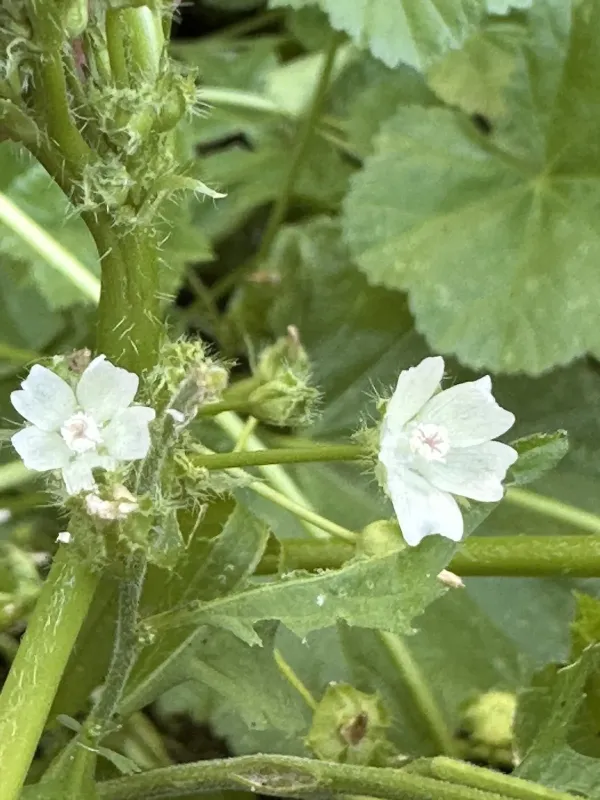
Description
Sowing dates
Low mallow is typically an annual herbaceous plant belonging to the Malvaceae family. It exhibits a high germination rate in early spring when soil temperatures stabilize above 8 degrees Celsius.
Seeds can emerge from different soil depths, making this plant highly resilient in various ecological niches and disturbed soil conditions.
For cultivated purposes, the sowing period is ideally scheduled for mid-April. Row spacing is determined by the intended method of subsequent mechanical cultivation.
Early development is characterized by a rapid formation of a rosette, which later transitions into a sprawling stem growth pattern.
The plant exhibits an extended germination cycle, allowing for consecutive waves of seedling emergence throughout the growing season.
Growing requirements
This crop thrives in fertile, well-structured soils that are rich in nitrogen and organic matter. It shows excellent performance on loamy and black earth soils.
While tolerant of various light conditions, it prefers open sunny areas to maximize photosynthetic efficiency and biomass accumulation.
Low mallow is adaptable to varying temperature ranges but prefers mild temperate climates with sufficient precipitation during the peak growth months.
It is remarkably resistant to soil compaction and can tolerate moderate mechanical stress, such as trampling, without significant loss of viability.
Optimal growth is achieved when moisture levels are consistently maintained throughout the flowering and seed-setting stages of development.
Yield
The productivity of Low mallow is primarily determined by the availability of nutrients and the density of the stand during the vegetative phase.
In managed agricultural environments, the biomass yield can reach several tons per hectare when proper fertilization and irrigation are applied.
Seed production is highly efficient, with each plant capable of producing a significant number of viable seeds, which contributes to its overall reproductive success.
Harvesting for green mass is typically performed before the plants enter the advanced lignification stage to ensure higher feed quality.
Future genetic selection and cultivation improvements could potentially increase the overall economic yield and uniformity of this crop for specialized uses.
Main diseases and pests
Fungal pathogens such as rust and powdery mildew are the primary concerns for Low mallow, especially under conditions of high relative humidity.
Insect pests, including aphids and various leaf-eating beetles, can cause significant damage to foliage, which directly impacts the photosynthetic capacity.
Root system pests are less common but can pose a threat in poorly drained soils where the plant's health is already compromised by hypoxia.
Integrated pest management strategies are recommended to mitigate the impact of these threats while maintaining the sustainability of the crop.
Regular monitoring of field conditions is essential for early detection of disease outbreaks and timely application of necessary protective measures.