
Musk mallow
Malva alcea L.
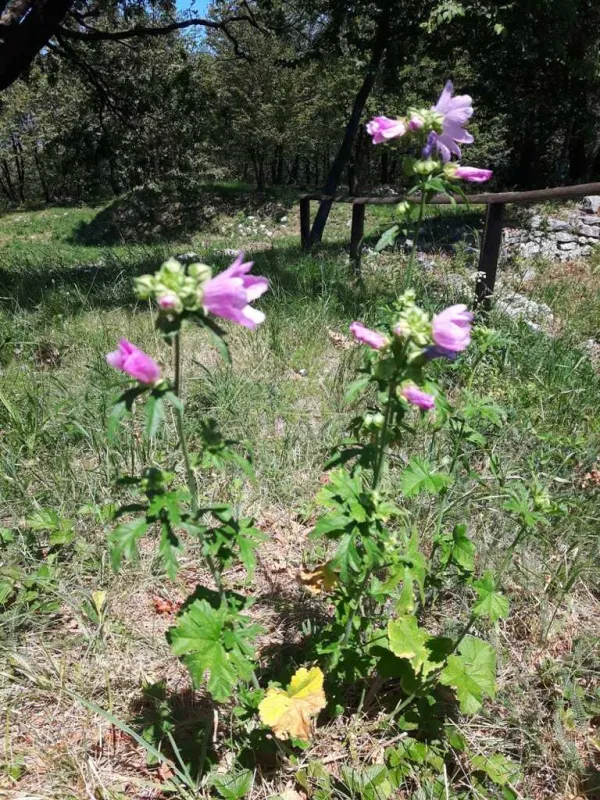
Description
Sowing dates
Musk mallow seeds should be sown in early spring as soon as the soil can be worked. Alternatively, seeds can be sown in late autumn to benefit from natural stratification during the winter months.
When starting indoors, sow seeds in deep pots around 6–8 weeks before the last frost date. Because of the taproot system, direct sowing in the garden is often preferred to avoid transplant shock.
Space the plants approximately 40 to 50 centimeters apart to allow for proper air circulation. Proper spacing is essential to reduce the risk of foliage diseases, which are common in this species.
Cover the seeds with a light layer of soil or vermiculite, as they require a certain amount of darkness to germinate effectively. Maintain a soil temperature of about 20 degrees Celsius for optimal results.
Once established, the seedlings are quite vigorous. Thin them out if necessary to ensure the strongest plants have sufficient space to develop their characteristic bushy growth habit.
Growing requirements
Malva alcea, known as musk mallow, is a herbaceous perennial belonging to the Malvaceae family. It is native to Europe and western Asia and is well-adapted to temperate climates.
The plant thrives in fertile, well-draining soils with a neutral to slightly alkaline pH. It prefers sunny locations but can tolerate partial shade, though bloom density may decrease in low-light conditions.
This culture is drought-tolerant once established due to its deep taproot, making it suitable for low-maintenance landscapes. However, consistent moisture during the blooming season is highly beneficial.
Musk mallow is remarkably hardy and can withstand freezing winter temperatures without requiring specialized protection. It naturally goes dormant in winter and regrows from the rootstock in spring.
Regular maintenance involves removing spent flowers to encourage a second flush of blooms. Adding a balanced fertilizer in the early spring supports robust stem development and foliage growth.
Yield
Musk mallow serves multiple purposes, primarily in ornamental gardening and as a nectar source for pollinators. Its prolonged flowering season makes it a staple in cottage-style landscape designs.
In terms of medicinal use, the leaves and flowers are harvested for their soothing mucilaginous properties. They are traditionally used to create infusions that support respiratory health.
As an agricultural asset, it acts as a valuable forage crop for honeybees, significantly increasing the biodiversity of the surrounding area and supporting beneficial insect populations.
When grown for cut flowers, stems should be harvested when the first buds start to open. This ensures the best vase life and allows the remaining flowers to continue developing on the plant.
The biomass of the plant can also be utilized in sustainable gardening practices, as it provides dense ground cover that effectively suppresses unwanted weeds after the second year.
Main diseases and pests
The most significant disease affecting Malva alcea is rust (Puccinia malvacearum). It appears as orange or brown pustules on the underside of leaves and can rapidly weaken the plant.
Preventative measures include avoiding overhead watering and ensuring that plants are not overcrowded. If rust is detected, infected leaves must be removed immediately and destroyed.
Aphids can be a recurring nuisance, particularly during the warm spring months. They colonize new growth and buds, sometimes acting as vectors for viral diseases that affect the Malvaceae family.
Spider mites may pose a threat during prolonged dry and hot weather. Monitoring the underside of leaves for webbing and applying water sprays can often keep populations under control.
- Hollyhock rust
- Powdery mildew
- Aphids
- Spider mites
- Stem borers