
Chinese mallow
Malva verticillata L.
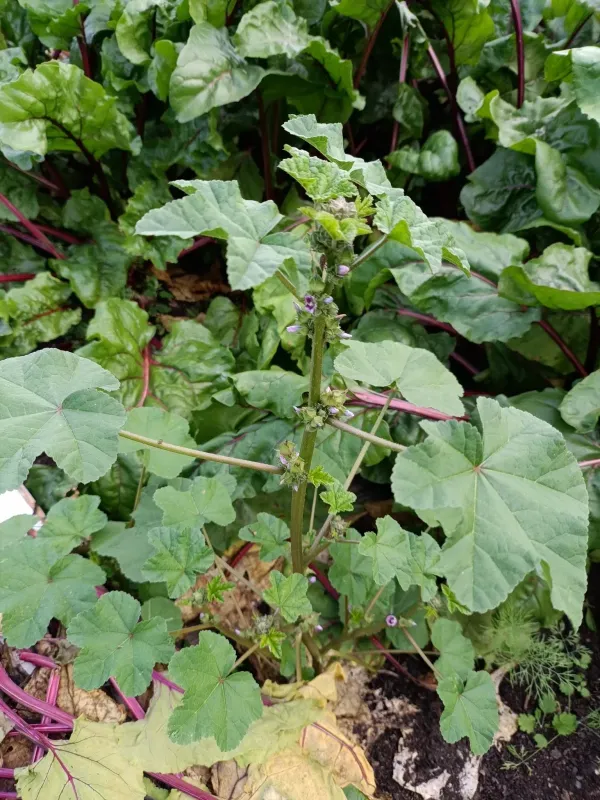
Description
Sowing dates
Chinese mallow is an annual plant that is typically sown in the spring once the soil has warmed up sufficiently. The ideal time for planting is after the risk of frost has passed, usually between late April and early May.
Seeds should be sown in rows spaced 45–60 cm apart to provide enough space for vigorous vegetative growth. The planting depth should be approximately 1.5–2 cm, which is optimal for uniform germination.
Pre-soaking seeds in growth stimulants can significantly accelerate emergence. Under favorable soil temperatures of 15–18 degrees Celsius, seedlings typically emerge within 10 to 14 days after sowing.
In regions with a shorter growing season, starting the plants in trays or greenhouses is highly recommended. Transplanting the seedlings into the field at the 3-4 leaf stage helps to maximize the plant's productive period.
For fodder production, the seeding rate is usually increased to create a dense stand. Proper spacing management is essential to prevent overcrowding, which can lead to moisture retention and potential disease issues.
Growing requirements
As a member of the Malvaceae family, Chinese mallow shows excellent adaptability to various environmental conditions. It performs best in fertile, well-drained loamy soils with a neutral to slightly acidic pH level.
This crop is highly light-demanding, necessitating sunny and open sites for optimal growth. Lack of sunlight often results in leggy stems and a reduction in the nutritional density of the leaves.
Adequate moisture is critical, especially during the period of rapid stem development. While it can withstand short periods of drought, regular irrigation is necessary for high biomass yields, particularly in arid climates.
The plant has a high requirement for nitrogen to support its large biomass production. Incorporating compost or well-balanced fertilizers into the soil before sowing will lead to significantly improved growth and foliage quality.
Climate-wise, Chinese mallow is quite resilient in temperate zones. It adapts well to seasonal temperature shifts, making it a reliable choice for diverse crop rotation schemes in various farming systems.
Yield
The yield of green biomass depends heavily on management practices and irrigation. Under optimal conditions, farmers can achieve 40–60 tons of green matter per hectare per season, making it a productive forage crop.
Chinese mallow is valued as a forage component due to its protein and vitamin content. It is versatile, being used for fresh feeding, haylage, or silage, which adds value to animal nutrition programs.
For culinary applications, productivity is calculated based on leaf harvest cycles. Frequent pruning of young leaves stimulates rapid regrowth, allowing for multiple harvests throughout the summer and early autumn months.
Seed production is another aspect of the crop, with high yields of up to 1000 kg per hectare. Self-sufficiency in seed supply is feasible for growers who follow proper post-harvest processing and storage protocols.
The economic value is high due to the plant's regenerative ability. After the initial cut, the plant rapidly produces new foliage, providing a sustainable source of nutrients or income for the producer.
Main diseases and pests
Powdery mildew is a common concern for this crop, especially in humid conditions or densely planted fields. Preventive fungicide treatments and maintaining proper ventilation are key strategies to minimize its impact.
Rust diseases affecting Mallow species can cause noticeable damage to leaf surfaces, reducing both quality and yield. Crop rotation and avoiding overhead irrigation can help reduce the prevalence of fungal pathogens.
Aphids are the most common pests that colonize tender growing points, stunting the plant's development. Early detection and the use of organic insecticidal soaps can be effective in controlling these outbreaks.
Flea beetles and various caterpillars may feed on the foliage during the early stages of growth. Consistent scouting and integrated pest management techniques are recommended to keep the damage levels under control.
Root rot occurs primarily in waterlogged conditions or heavy, poorly drained soils. Maintaining proper field drainage is the best defense against these pathogens, ensuring healthy root system development.
Harvesting
Harvesting for forage should take place before the plant reaches the flowering stage, as this is when the nutritional profile is at its peak. The stems remain succulent, ensuring higher digestibility for livestock.
When producing hay, the crop is mowed and placed in windrows to allow for even drying. Careful handling during the drying process is necessary to preserve the leaves, which hold most of the nutritional value.
Harvesting for culinary use is done by hand-picking only the healthiest young leaves. Once picked, they should be stored in cool conditions to retain their freshness, taste, and high nutritional content.
Seed harvesting should be performed when the capsules are fully mature and turn brown. Ideally, this should happen during dry weather to prevent moisture buildup and mold growth in the seed storage bags.
Post-harvest, seeds must be cleaned of debris and dried to a moisture content of 12-14%. Storing them in a cool, dry, and rodent-proof location ensures that the viability of the seeds remains high for the next season.