
Macroptilium lathyroides
Macroptilium lathyroides (L.) Urb.
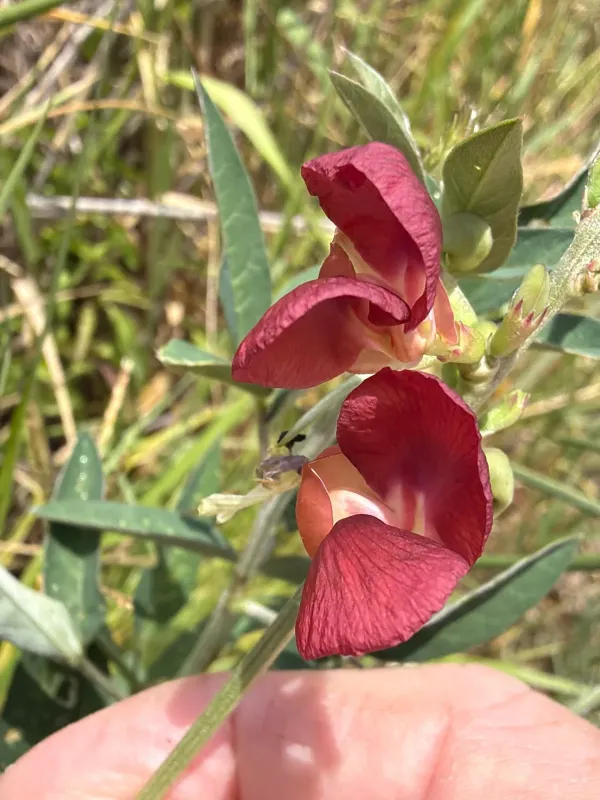
Description
Sowing dates
Macroptilium lathyroides, commonly known as Phasey bean, requires warm soil conditions for successful germination, making late spring the ideal sowing time.
In tropical and subtropical regions, planting is usually synchronized with the onset of the wet season to ensure sufficient moisture for seedling establishment.
The seeds should be sown at a depth of approximately 2 to 3 centimeters, ensuring good soil-to-seed contact for uniform emergence across the field.
Seeding rates can vary based on the intended use, whether for high-density cover cropping to suppress weeds or for lighter stands in pastoral systems.
Scarification of seeds may be necessary to overcome natural seed coat dormancy and improve the overall percentage of viable germinating seeds.
Growing requirements
As a member of the Fabaceae family, this species is highly adaptable and can flourish in a wide variety of soil textures, ranging from sandy loams to heavy clays.
The plant thrives in full sun exposure, as it requires significant light intensity to maximize its vegetative growth and promote efficient nodulation.
Although it exhibits moderate drought tolerance once established, consistent soil moisture is essential for achieving high biomass yields during the growth cycle.
Adequate drainage is critical, as the crop does not perform well in waterlogged environments and is susceptible to root damage in stagnant conditions.
Its ability to fix nitrogen in partnership with rhizobia bacteria makes it a highly valuable species for enhancing soil fertility in sustainable farming systems.
Yield
The biomass yield of Phasey bean is significantly influenced by management practices, including the frequency of harvesting and nutrient availability in the soil.
The crop is capable of producing multiple cuts per season, providing a reliable source of nutritious forage for livestock in tropical environments.
Productivity is generally high under favorable conditions, with the plant maintaining leafy growth even after initial harvesting, provided moisture is available.
When used as a green manure, it effectively builds up soil organic matter, significantly improving the physical structure and nutrient profile of the soil.
Its role as a multipurpose plant extends to erosion control, where its sprawling growth habit helps stabilize soil surfaces in vulnerable areas.
Main diseases and pests
Common viral diseases, often transmitted by insect vectors such as aphids, can pose a serious threat to the longevity and productivity of a stand.
Fungal leaf spots are frequently observed under conditions of high humidity or poor field ventilation, which may lead to premature defoliation.
Pests that target the flowering and pod-filling stages can significantly reduce seed yields, which is a major concern for commercial seed producers.
Root-knot nematodes can cause severe damage to the plant's root system, leading to overall stunted growth and reduced nitrogen-fixing capacity.
Integrated pest management strategies, such as crop rotation and maintaining balanced soil nutrient levels, are essential to minimize disease pressure.
Harvesting
For high-quality forage, the crop should be harvested before it enters the advanced stages of seed production to maintain optimal crude protein levels.
Effective drying processes are necessary when making hay to ensure the preservation of leaves, which are the most nutrient-dense part of the plant.
Seed harvest requires careful timing; as pods mature, they tend to shatter, leading to significant seed losses if the window is missed.
When utilized as a cover crop, incorporation into the soil should occur at the peak of vegetative growth to ensure maximum nitrogen contribution.
Mechanical harvesting equipment should be calibrated to handle the delicate pods gently, reducing breakage and maximizing the harvestable yield.