
Westerwold ryegrass
Lolium multiflorum Lam. var. westerwoldicum Wittm.
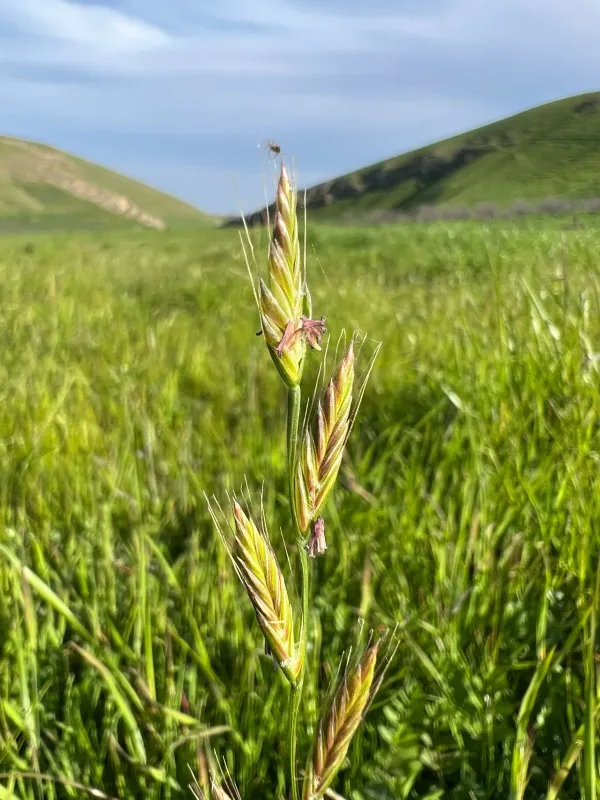
Description
Sowing dates
Westerwold ryegrass (Lolium multiflorum Lam. var. westerwoldicum Wittm.) is a highly productive annual grass belonging to the Poaceae family. It is renowned for its rapid growth cycle, making it an ideal choice for intensive agricultural forage systems.
The optimal sowing time is early spring, once the soil has warmed up sufficiently. In regions with milder climates, late autumn sowing is also a viable option to ensure an early start for the following spring season.
A seeding rate of 20–30 kg per hectare is standard, typically using a grain drill. Seeds should be planted at a shallow depth of 1.5–2 cm to ensure high germination rates and uniform emergence of seedlings across the field.
This grass is highly responsive to nitrogen fertilization. Applying nitrogen shortly after emergence and following each cutting is essential to stimulate tillering and ensure rapid biomass accumulation throughout the growing period.
Post-sowing rolling is highly recommended to improve soil-to-seed contact. This practice helps conserve soil moisture and provides a firm seedbed, which is crucial for quick establishment in varying weather conditions.
Growing requirements
Westerwold ryegrass thrives in fertile, well-drained soils, specifically loams and silt loams. It is particularly sensitive to waterlogged conditions and requires good soil aeration to support its extensive root system.
The crop prefers a temperate climate with reliable rainfall throughout the growing season. While it exhibits some tolerance to cool weather, its development is most vigorous when temperatures remain consistently between 18–22 degrees Celsius.
It is not well-suited for drought-prone areas or extremely acidic soils. Ensuring a neutral or slightly acidic pH balance in the soil profile will significantly improve the overall nutrient uptake and yield stability.
Light availability is a critical factor; the plant prefers open fields with full sun exposure. Shaded areas tend to result in thinner stands and lower protein content in the harvested material.
Integrating this grass into a crop rotation cycle can provide significant benefits, including improved soil structure and increased organic matter accumulation, which prepares the field for subsequent demanding crops.
Yield
The primary use of Westerwold ryegrass is for high-quality forage production. It is widely harvested for fresh grazing, hay, and silage, offering a superior nutritional profile rich in protein and soluble sugars.
Under optimal management, including irrigation and proper nutrient delivery, farmers can achieve 3 to 4 cuts per season. This intensive harvest cycle makes it a valuable asset for dairy and livestock operations.
Average yields can reach 30–50 tonnes of fresh biomass per hectare per year. Such high productivity makes it an economically viable option for producers aiming to maximize their land's output in a short timeframe.
In addition to its use as a primary forage crop, it serves as an excellent component in temporary pasture mixtures. Its aggressive growth habits help suppress weeds and provide quick ground cover during fallow periods.
It also acts as an effective cover crop or green manure, helping to stabilize nitrogen in the soil and preventing nutrient leaching, which serves both the livestock and the sustainability aspects of a farm.
Main diseases and pests
Rust fungi are the most common pathogens affecting Westerwold ryegrass. These diseases manifest as reddish-orange spores on the foliage, which can degrade the nutritional value of the grass and reduce its palatability to livestock.
Powdery mildew may also occur, particularly during seasons with high humidity and stagnant air. This infection slows plant development and reduces the overall yield if left unmanaged in overly dense stands.
Pests such as cereal flies and aphids can cause damage during the early seedling stages. These pests may stunt growth by feeding on sap, potentially leading to stand failure if infestations are severe.
Effective management includes maintaining appropriate sowing densities and avoiding excessive nitrogen applications that lead to dense, moisture-trapping canopies. Crop rotation remains the best cultural control method.
In cases of significant pest pressure or disease outbreaks, targeted pesticide applications are permitted. Always ensure that the chosen chemicals are safe for use on fodder crops and adhere to the recommended pre-harvest intervals.
Harvesting
Harvesting should be timed to the early heading stage, as this is when the grass achieves its peak nutritional value. Harvesting at this exact window ensures the best balance between bulk yield and animal digestibility.
For hay production, using a mower-conditioner is highly recommended to crack the stems, which significantly decreases drying time in the field and helps preserve vital vitamins and color in the finished product.
When producing silage, the crop should be wilted to approximately 50% moisture content before storage. Proper compaction and sealing in bunkers or high-density bales are necessary to prevent spoilage and ensure high-quality fermentation.
It is crucial to maintain a stubble height of 5–7 cm during harvest. Cutting too low can damage the plant's growing point, significantly delaying regrowth and negatively impacting the yields of subsequent cuttings.
Post-harvest care involves immediate fertilization to replenish soil nutrients. This management strategy ensures rapid regeneration of the stand, allowing the crop to bounce back quickly for the next scheduled harvest cycle.