
Darnel
Lolium temulentum L.
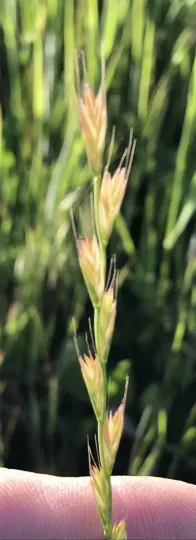
Description
Sowing dates
Darnel is a member of the Poaceae family, historically recognized as a significant weed in cereal fields. For research or experimental cultivation, seeds should be sown in the spring once soil temperatures reach 8-10 degrees Celsius to ensure uniform germination.
The seeds are generally sown at a shallow depth of 2-3 centimeters, as they have high germination vigor. In natural settings, the plant often propagates through self-seeding, demonstrating a remarkable ability to establish itself within existing crop canopies.
Biologically, Darnel prefers autumn germination, allowing it to overwinter in the tillering stage. This life cycle enables it to compete effectively with winter wheat, as the plant resumes rapid growth immediately when spring temperatures arrive.
When cultivating Darnel, it is crucial to manage plant density to prevent early lodging and ensure adequate air circulation. The plant is a heavy feeder regarding nitrogen, which necessitates careful nutrient management to study its growth patterns accurately in an agro-ecological context.
Optimal sowing periods are vital for uniform stand establishment. The species is known for its opportunistic growth, thriving in disturbed soils where minimal soil surface contact is required for successful seedling emergence.
Growing requirements
Darnel thrives in fertile, well-structured loam or clay soils that provide consistent moisture levels throughout the growing season. While adaptable, it performs best in soils with high organic matter content, which supports its vigorous vegetative development.
The plant exhibits significant climatic plasticity, though it prefers temperate regions with moderate rainfall. Temperatures between 15-22 degrees Celsius are ideal for its metabolic processes and rapid formation of biomass during the vegetative phase.
Exposure to full sunlight promotes optimal grain filling and overall health of the plant. Although it can tolerate partial shade in dense stands, its photosynthetic efficiency decreases, leading to reduced seed production and overall plant vigor.
Soil pH ranging from 6.0 to 7.5 is highly favorable for Darnel, allowing for efficient nutrient uptake. The species is notably successful in establishing itself on nutrient-rich agricultural lands, often outcompeting surrounding flora for essential resources.
Agronomic management must include ensuring good soil drainage to prevent fungal infections. When studying the species, maintaining a balanced environment is key to producing healthy specimens for botanical observation and research purposes.
Main diseases and pests
Fungal diseases, including various rusts and leaf spots, pose the greatest threat to Darnel crops, especially in high-humidity environments. These pathogens can significantly reduce foliage density and impact the plant's long-term health.
Pests such as cereal aphids and various grass-feeding beetles often target the plant's succulent tissues. These infestations can weaken the plant, making it more susceptible to secondary environmental stresses and limiting its seed yield potential.
Powdery mildew is a frequent issue in crowded stands, where it hinders gas exchange and photosynthesis. Effective control measures, including spacing and monitoring, are essential to maintain the health of the crop in research settings.
Because Darnel is traditionally treated as a harmful weed in commercial agriculture, understanding its susceptibility to common pests is essential for developing control strategies. Early detection of symptoms is necessary to manage these threats effectively.
Preventative measures, such as selecting clean seeds and implementing crop rotation, remain the most effective methods to manage disease outbreaks. Consistent field monitoring and sanitation practices are critical for the successful management of this species.