
Hybrid ryegrass
Lolium x hybridum Hausskn.
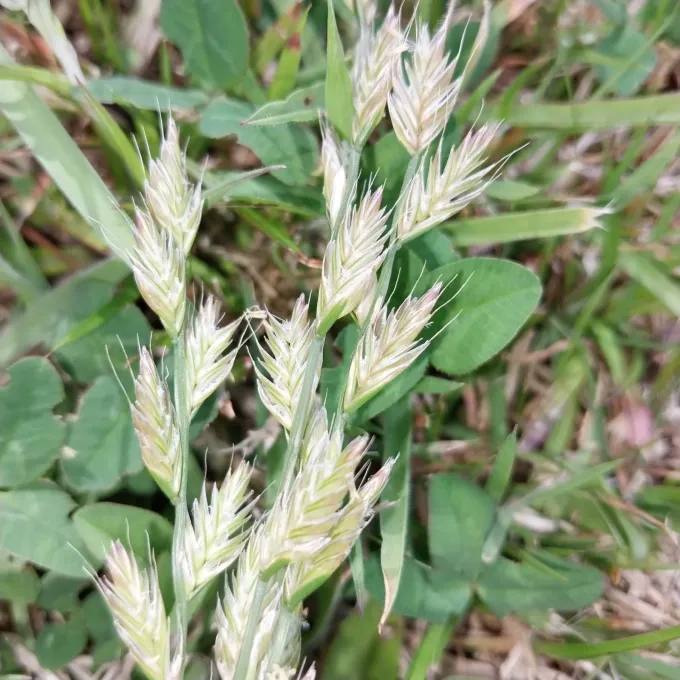
Description
Sowing dates
Hybrid ryegrass (Lolium x hybridum) is a valuable agricultural crop of the Poaceae family, resulting from the crossbreeding of perennial and Italian ryegrass. Sowing is typically carried out in spring or late summer into well-prepared, moist soil.
The optimal time for spring sowing is between April and May, when the soil has warmed up but still retains moisture. Autumn sowing is best completed by mid-August to ensure the plants have enough time to establish their root systems before the first frosts.
The recommended seeding depth is 1.5–2 cm. When technical standards are followed, the crop shows rapid emergence and active tillering within the first few weeks after sprouting, which is crucial for establishing a dense stand.
Seeding rates depend on the cultivation method and soil fertility, generally ranging from 15 to 25 kg per hectare. Using high-quality seeds ensures even distribution across the field and high productivity levels.
The crop is known for its high growth vigor; therefore, early sowing requires sufficient nutrient availability to build a strong root system capable of supporting active vegetative growth throughout the season.
Growing requirements
Hybrid ryegrass requires fertile soil and adequate moisture levels. It performs best on loamy and nutrient-rich soils with a neutral or slightly acidic pH, while avoiding areas prone to waterlogging or high water tables.
The crop is highly adaptable to temperate climates but can be sensitive to extremely low temperatures during winters with little snow cover. The optimal temperature range for active growth is 15–22 °C, and the plant responds very well to nitrogen fertilization.
Light availability is a vital success factor. Ryegrass does not tolerate prolonged shading and requires open fields for efficient photosynthesis, which directly influences the quality of the green mass and the rate of regrowth after mowing.
To maintain long-term stand viability, the soil must be replenished annually with organic and mineral fertilizers. Potassium and phosphorus are essential for root development and improving winter hardiness under adverse conditions.
Constant soil moisture monitoring is critical during dry spells. When moisture is insufficient, the crop’s development slows down, and forage quality may decrease, making irrigation systems highly recommended in regions with low rainfall.
Yield
The yield of hybrid ryegrass significantly exceeds that of many other grass species. With intensive management and regular fertilization, farmers can achieve 3–4 full cuts of green mass within a single growing season.
Average dry matter yield varies between 8 and 12 tons per hectare, depending on the region and climatic conditions. High regrowth capacity allows the crop to recover quickly after intensive grazing or mechanical mowing.
It is important to note that the productive lifespan of these stands is usually 3–4 years. After this period, the percentage of ryegrass in the sward may decline, necessitating overseeding or crop rotation to restore soil fertility.
Maximum nutrient yield is achieved by timely mowing during the booting stage, before heading begins. At this phase, the grass has the highest digestibility and protein concentration, which is particularly beneficial for dairy production.
Continuous breeding efforts allow for the development of varieties that exhibit even higher yields under intensive farming systems. Variety selection should be based on regional trials and specific farm objectives.
Main diseases and pests
The crop is susceptible to certain fungal diseases, with grass rust and powdery mildew being the most common. These diseases can significantly reduce the quality of green mass and overall stand productivity.
Pests such as frit flies, thrips, and cereal beetles can damage young seedlings, slowing their development. Regular field monitoring allows for the timely application of insecticides to control insect populations.
To prevent the spread of infections, it is essential to practice crop rotation and avoid excessive stand density. Aeration and timely mowing help reduce humidity in the root zone, which discourages the development of fungal spores.
In cases of severe rust infection, fungicides approved for use on forage crops should be applied. It is crucial to strictly observe pre-harvest intervals following any chemical application to ensure food safety.
Prevention strategies include using resistant varieties and adhering to optimal seeding rates. A healthy stand that receives balanced nutrition possesses natural resilience against most environmental stressors and common pathogens.
Harvesting
Harvesting hybrid ryegrass requires strict adherence to timing to ensure high nutritional value. The optimal phase to begin mowing is at the start of the booting stage, which maintains the best balance between mass and quality.
The harvest process must be efficient to minimize nutrient loss. When producing hay or silage, it is vital to ensure proper wilting of the mown mass to achieve the required moisture percentage.
Using modern mower-conditioners accelerates the drying process, which is critical in variable weather conditions. This reduces the risk of quality loss due to precipitation or keeping the cut grass in the field for too long.
After each cut, it is recommended to apply nitrogen fertilizer and, if necessary, perform light harrowing to stimulate tillering. This encourages rapid regrowth for the next harvest or for livestock grazing.
When using the crop for fresh forage or grazing, rotational grazing systems should be implemented. Rotating plots allows the plants to restore their root systems, prolonging the life of the stand and increasing the overall farm productivity.