
Common flax
Linum usitatissimum L. convar mediterraneum Vavilov ex Ell Kulpa et Danert
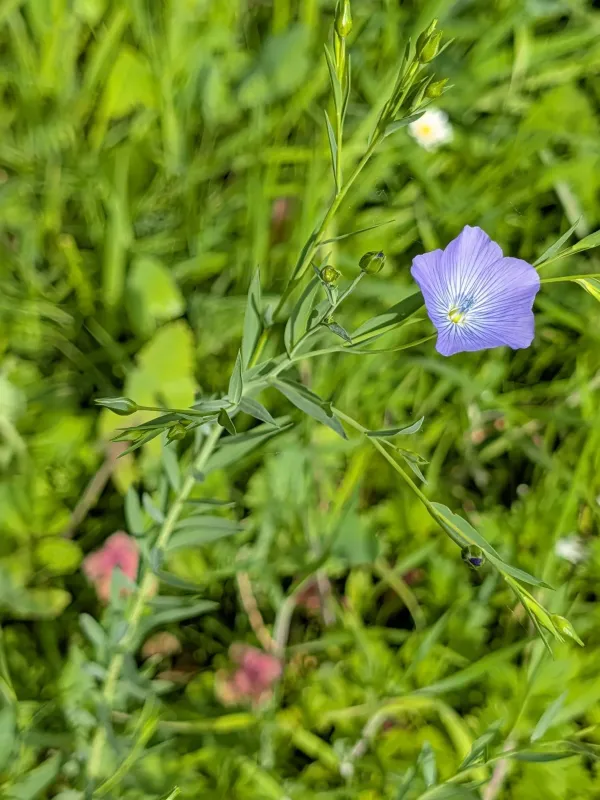
Description
Sowing dates
Common flax (Linum usitatissimum) belongs to the Linaceae family. It is a versatile crop primarily categorized into two types: fiber flax, grown for high-quality stems, and linseed, grown for its oil-rich seeds.
The sowing process typically begins in early spring when soil temperatures reach 7–9°C at a depth of 10 cm. Early planting is vital to maximize water uptake from spring moisture, ensuring strong seedling establishment.
Seeding rates vary significantly based on the intended use. Fiber flax requires higher plant densities to encourage tall, straight stems, while linseed is sown at lower rates to allow for greater branching and seed production.
A well-prepared seedbed is crucial for successful cultivation. The soil should be finely textured, level, and firm to ensure uniform seed depth and optimal germination across the entire field.
Row spacing is usually kept between 7.5 and 15 cm. This close spacing helps the crop compete against weeds early in the season and ensures an even canopy for uniform maturation.
Growing requirements
Flax thrives in temperate climates with adequate rainfall during the vegetative phase. Drought stress during the flowering and boll development stages can severely impact the quality and quantity of the harvest.
The crop prefers fertile, well-drained loamy or sandy loam soils. It is sensitive to soil acidity, performing best in soils with a neutral or slightly acidic pH level for optimal nutrient availability.
Proper nutrient management, including the balanced application of nitrogen, phosphorus, and potassium, is essential. Soil testing is recommended to adjust fertilization programs based on specific field requirements.
Crop rotation is a fundamental practice in flax production. It is recommended to grow flax no more than once every five to six years on the same plot to reduce the build-up of soil-borne pathogens.
While flax is relatively cold-hardy and seedlings can withstand light frosts, prolonged cold or excessive moisture at the start of the season can hinder growth and delay crop development.
Yield
Fiber flax yields are measured by the weight of high-quality fiber produced per hectare. Intensive cultivation techniques can result in yields of 1 to 1.2 tonnes of fiber per hectare.
Linseed yield potential is determined by seed weight. High-performing varieties can produce between 1.5 and 2.5 tonnes of seed per hectare, depending on local conditions and management practices.
Field cleanliness and timely weed control are major factors in reaching maximum yield potential. Utilizing precision farming and modern crop protection ensures that nutrients and water are used by the crop rather than weeds.
Seed quality is defined by its oil content, with modern varieties commonly reaching 40–45% oil content. This high oil yield is a key metric for the profitability of the linseed industry.
Effective drying and storage after harvest are essential to maintaining the market value of the crop and preventing losses due to moisture or pest infestations.
Main diseases and pests
Flax flea beetles are among the most dangerous pests, particularly affecting young seedlings. Other common threats include thrips and the flax bollworm, which can damage flowers and developing capsules.
Major diseases affecting flax include Fusarium wilt, anthracnose, and flax rust. These fungal pathogens can lead to vascular system damage, stunted growth, and premature plant death.
Seed treatment with fungicides is the primary defense against early-season pathogens. This initial protection helps the crop establish a healthy root system resistant to soil-borne issues.
Regular field scouting is critical for early detection of pest and disease outbreaks. Integrated Pest Management (IPM) strategies, including chemical and cultural controls, help keep populations below economic injury levels.
Maintaining a strict crop rotation schedule helps mitigate the risk of disease. By breaking the lifecycle of specific soil-borne pathogens, farmers can significantly reduce the need for intensive fungicide use.
Harvesting
Fiber flax is harvested at the early yellow-ripeness stage. The crop is typically pulled from the soil, rather than cut, to maintain the maximum length and integrity of the textile fibers.
Linseed is harvested using a combine harvester at full maturity, when seeds have hardened and the bolls have turned brown. This requires careful combine adjustment to prevent seed cracking.
Moisture content management during harvest is essential. Seed should be harvested when it is dry to avoid storage complications, or it must be processed through a dryer immediately after threshing.
Reducing field losses is a priority, and combine speed and header adjustments are critical. Proper settings ensure that seeds are efficiently separated from the straw and debris.
Post-harvest cleaning is necessary to remove organic debris and weed seeds. This ensures high-quality product storage and prevents self-heating in bins, which could lower oil quality and germination rates.