
Purging flax
Linum catharticum L.
Description
Sowing dates
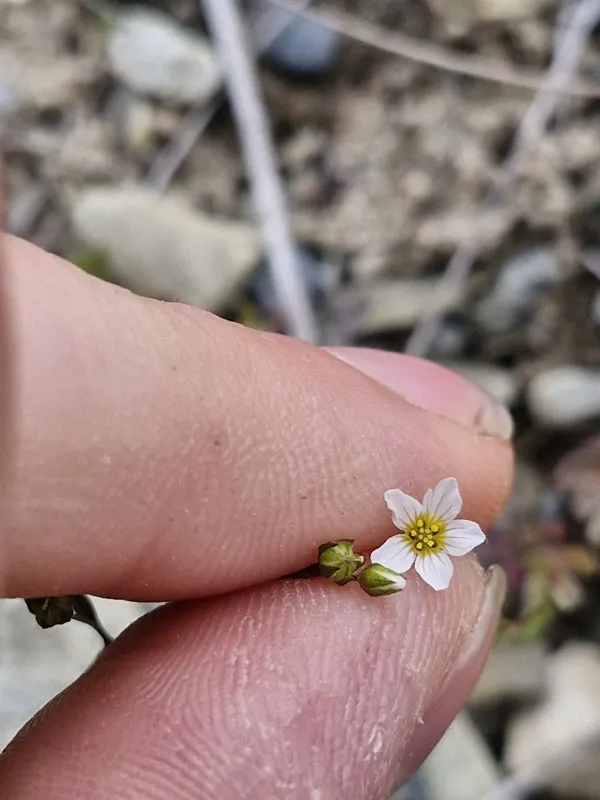
Purging flax (Linum catharticum L.) is a small annual herbaceous plant belonging to the Linaceae family. It is distinct for its slender stems and white flowers, which bloom throughout the summer months.
The sowing process typically begins in early spring. The seeds require a well-prepared seedbed that is free from weeds to ensure the young seedlings are not outcompeted during their critical establishment phase.
Given the small size of the seeds, they should be sown shallowly. Maintaining a consistent moisture level during the germination period is essential for achieving a high emergence rate.
Row spacing should be managed to allow for proper airflow around the plants, which reduces the incidence of fungal pathogens later in the growth cycle.
Standard agricultural practices involve light rolling of the soil after sowing to ensure adequate contact between the seeds and the soil particles, facilitating efficient moisture uptake.
Growing requirements
This species thrives in well-drained, sunny environments. It is particularly well-suited to calcareous or limestone-based soils, which provide the optimal pH range for this plant.
Soil structure should be friable and light. Heavy clay soils are generally unsuitable as they hinder the development of the delicate root system and may cause waterlogging.
Moderate temperatures are preferred. While the plant can tolerate some dryness, irrigation during the flowering stage is recommended to ensure optimal plant vigor.
The plant has low to moderate fertility requirements. Excessive nitrogen application should be avoided, as it encourages excessive vegetative growth at the expense of stability and disease resistance.
Maintenance of soil surface condition through light weeding is beneficial, as it prevents crusting and improves the oxygen exchange in the root zone.
Main diseases and pests
Fungal diseases, including Fusarium wilt, represent a major threat to crops, particularly when the crop is grown in areas with high annual rainfall or poorly drained soils.
The flax beetle (flea beetle) is a persistent pest that feeds on seedlings. Integrated pest management, including crop rotation, is essential to mitigate these risks.
Rust and other foliar diseases can spread rapidly in dense stands. Regular field inspections are necessary to identify early symptoms and apply appropriate treatments.
Weed competition is a significant threat during the seedling stage. Once the canopy closes, the plant is more competitive, but initial weed control is mandatory.
Preventative measures, such as using high-quality seeds and strictly following crop rotation intervals, are the most effective strategies for long-term health of the planting.