
Austrian flax
Linum austriacum L.
Description
Sowing dates
Austrian flax (Linum austriacum) is a perennial herbaceous plant belonging to the Linaceae family. Propagation is primarily achieved through seeds, which are typically sown in early spring, as soon as the soil is workable and temperatures are consistently above freezing.
Seeds should be covered lightly with fine soil, at a depth of approximately 1 cm. Germination is reliable in well-drained, sunny locations where the seeds can maintain contact with moist but not waterlogged soil particles.
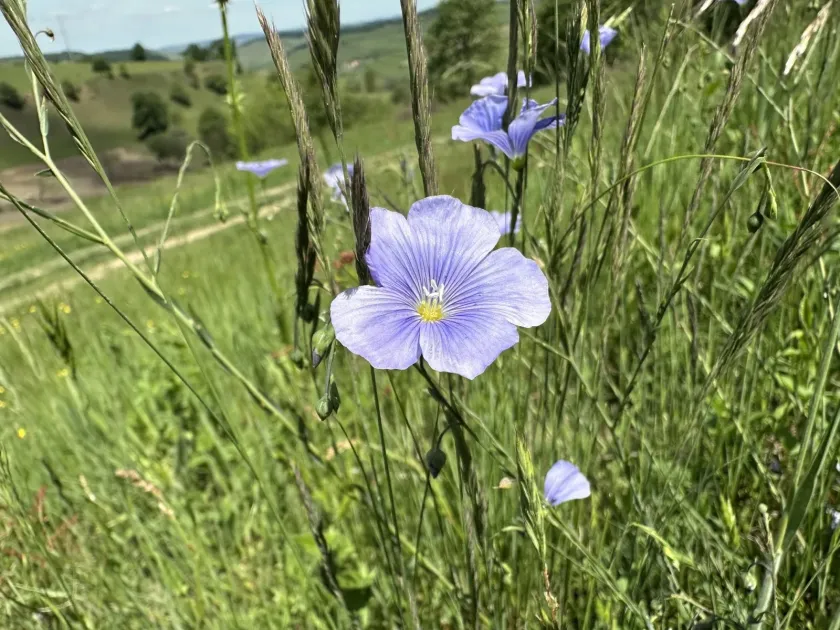
The plant grows as a rosette of slender foliage in its first year, producing elegant blue flowers on wiry stems in subsequent seasons. It is a hardy species that can withstand cold winters, provided the soil drainage is sufficient to prevent crown rot.
When sowing in field conditions, rows should be spaced 25 to 40 cm apart to allow for proper airflow. This spacing is essential to reduce the humidity around the base of the plant, which is the primary factor in preventing fungal outbreaks.
Autumn sowing is also an option in temperate regions, as the seeds benefit from a period of cold stratification. This method often results in stronger seedlings and more vigorous establishment during the following spring season.
Growing requirements
Austrian flax requires a full sun exposure for at least 6 to 8 hours daily. Insufficient light results in weak, leaning stems that fail to produce a profusion of blooms, significantly reducing the plant's aesthetic and ecological value.
The ideal soil is sandy, gritty, or rocky, with excellent drainage capabilities. Heavy clay soils are unsuitable and will likely cause root death during wet winters. The pH preference is neutral to slightly alkaline, mimicking its native steppe habitat.
Once established, the plant is remarkably drought-tolerant, with a deep taproot system. Supplemental irrigation is generally only necessary during prolonged droughts in the mid-summer months to maintain flower production.
Fertilizer application should be kept to an absolute minimum. Excess nitrogen stimulates rapid leaf growth but often makes the plant susceptible to lodging and reduces its natural hardiness against harsh winter conditions.
Maintenance involves occasional weeding to keep the area clear of invasive grasses. Mulching with inorganic materials like gravel or crushed stone is recommended to prevent direct soil contact with the lower leaves, which helps maintain plant hygiene.
Main diseases and pests
Fungal pathogens such as rust and Fusarium wilt are the most significant threats to Austrian flax. These are almost exclusively associated with poor drainage, high humidity levels, and excessive moisture stagnation around the root zone.
Pests like the flax flea beetle can cause substantial damage to seedlings by chewing holes in the leaves. Early monitoring during the spring emergence phase is essential to implement control measures before the population reaches an economic threshold.
Aphids may also appear on the developing flower buds, sucking sap and causing deformity in the blossoms. If infestations are light, they can be managed with manual removal or mild insecticidal soaps to avoid disrupting beneficial pollinator populations.
Cultural control, such as crop rotation and avoiding over-watering, remains the most effective defense strategy. By providing an environment that mimics the plant's natural steppe conditions, gardeners can avoid the need for persistent chemical intervention.
Proper harvest management and the removal of plant debris at the end of the season can further reduce the overwintering capacity of pests and fungal spores, ensuring a healthier start for the plant in the following spring.