
Cocksfoot
Dactylis glomerata L.
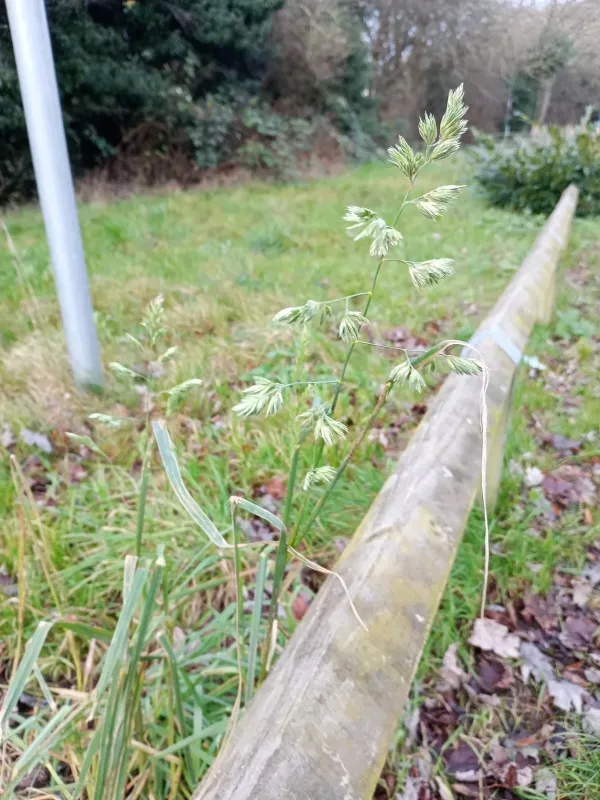
Description
Sowing dates
Cocksfoot (Dactylis glomerata) is a perennial bunchgrass belonging to the Poaceae family. It is typically sown in early spring or late summer to establish a strong root system before extreme temperatures occur.
The seeding rate usually ranges from 12 to 15 kg per hectare for pure stands. When mixed with legumes, the rate is reduced to allow for balanced competition and improved forage quality.
Seeds should be planted at a shallow depth of 1–2 cm. Proper seedbed preparation, including rolling, is essential to ensure good soil contact and moisture retention, which promotes uniform germination.
Seedlings develop slowly during the first year, requiring adequate weed control. Once established, the grass is vigorous and demonstrates excellent regrowth capacity following harvest or grazing.
Soil temperature and moisture at the time of sowing are critical factors. Cocksfoot prefers moderate conditions and can struggle if sown into dry, crusted soil without proper preparation.
Growing requirements
Cocksfoot is known for its wide adaptability to various soil types, thriving best in well-drained loams. It does not tolerate waterlogging or soils with very low pH levels.
One of the key benefits of this grass is its drought tolerance compared to other common forage species. It maintains productivity better than ryegrass in drier summer months due to its deep root system.
It is a light-demanding plant but can withstand partial shade. This makes it a popular choice for inclusion in agroforestry systems and mixed pasture stands where canopy density varies.
The plant responds very well to nitrogen fertilizer, which is necessary to maintain high production levels. Consistent management of nutrients is vital to prevent yield declines in older stands.
Cocksfoot exhibits good winter hardiness, allowing it to survive cold winters across temperate regions. It is an excellent choice for northern climates where other grasses might suffer from winterkill.
Yield
Cocksfoot yields are highly dependent on management intensity. Under optimal conditions, it can produce between 6 and 10 tonnes of dry matter per hectare annually.
The species is capable of producing multiple cuts per year. Two to three cuts are common in temperate regions, depending on the availability of moisture and the specific fertility program.
Yields are typically highest in the second and third years after establishment. To maintain long-term productivity, farmers often use rotational grazing or periodic resting of the fields.
When combined with white clover or alfalfa, the total dry matter yield and nutritional quality of the pasture increase significantly due to natural nitrogen fixation.
Careful timing of harvest ensures high yields of digestible nutrients. Allowing the grass to mature too much decreases digestibility, whereas frequent cutting keeps the quality high.
Main diseases and pests
Rust diseases are the most common concern for Cocksfoot, particularly in warm and humid weather. These fungi can manifest as orange-brown patches, reducing leaf area and nutrient content.
Leaf spot diseases like Stagonospora are also prevalent. They can affect the overall health of the plant, especially in dense, poorly ventilated stands with excessive moisture.
Pests such as aphids, stem borers, and various grass-feeding insects can cause localized damage. Integrated pest management, including balanced fertilization, helps mitigate these threats.
Weed competition is a significant threat during the establishment phase. Early scouting and control measures are necessary to prevent aggressive weeds from dominating the young crop.
Maintaining a healthy, vigorous stand through proper grazing intensity and cutting height is the most effective way to prevent the establishment of common pathogens and pests.
Harvesting
For hay production, Cocksfoot should be harvested at the boot stage or early flowering. Cutting at this time ensures the best balance between biomass yield and nutritional digestibility.
Grazing management should focus on maintaining the vegetative state of the grass. Overgrazing can weaken the root system, while undergrazing allows the grass to become stemmy and unpalatable.
A cutting height of at least 7–10 cm is recommended to protect the crown and growing points, which facilitates faster regrowth and better persistence of the stand over several seasons.
After cutting, the biomass should be dried efficiently to prevent quality degradation. In wet climates, ensiling is a reliable method to preserve the nutrient content of the forage.
Rotational grazing systems should allow for sufficient rest periods, typically 3–5 weeks, to let the plants replenish carbohydrate reserves before the next grazing cycle begins.