
Cocksfoot
Dactylis glomerata L. subsp. hispanica (Roth) Nyman
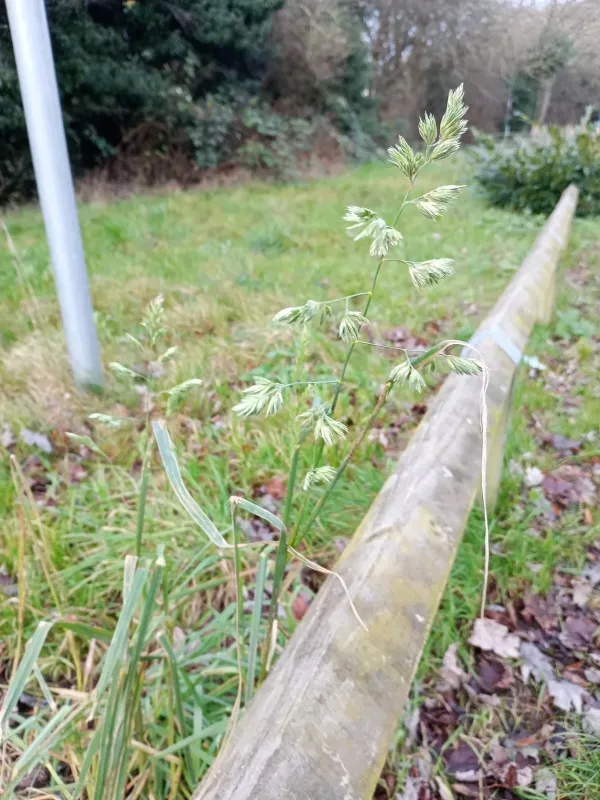
Description
Sowing dates
Cocksfoot is typically sown in early spring or late summer to ensure successful establishment. Early autumn sowing is preferred in regions with mild winters for better root development.
The seeding rate ranges between 10 to 15 kg per hectare depending on the sowing method and the presence of other species in the mixture. Uniform coverage is essential for optimal results.
Seeds should be planted at a shallow depth of approximately 1.5–2 cm. Proper soil contact through rolling after seeding significantly improves germination rates in dry conditions.
When overseeding into existing pastures, it is vital to suppress competing vegetation to give cocksfoot seedlings enough light and moisture to establish.
Regular monitoring of seedbed moisture is necessary during the first few weeks after sowing to ensure the survival of young, fragile plants.
Growing requirements
Dactylis glomerata is known for its shade tolerance and adaptability to various soil types, particularly well-drained loams and silts. It is less suitable for poorly drained, waterlogged soils.
The plant demonstrates good drought resistance once established, making it a valuable species for pastures in regions with occasional dry spells during summer.
Cocksfoot is highly responsive to nitrogen fertilization. Split applications are recommended to promote regrowth after every cut or grazing cycle.
While it prefers neutral soil pH, it can tolerate a range of soil conditions, showing durability in environments where other grasses might struggle.
Proper pasture management involves maintaining the height of the sward to prevent the plants from becoming too stemmy and losing nutritional value.
Yield
Cocksfoot is highly productive, capable of delivering multiple cuts throughout the growing season. Annual dry matter yields can range from 8 to 12 tonnes per hectare.
The crop's ability to regrow rapidly after defoliation makes it an excellent choice for intensive grazing systems when managed correctly.
Peak yields are generally achieved in the second and third years. Longevity of the stand depends on soil fertility, moisture availability, and appropriate cutting intervals.
In seed production, yields typically range from 400 to 600 kg per hectare, depending on the variety and local climatic conditions during the flowering phase.
Effective nutrient management, particularly nitrogen, is the primary driver for maintaining high yield performance over several years of production.
Main diseases and pests
Common diseases affecting cocksfoot include rust, powdery mildew, and leaf spot, which thrive in humid conditions and dense canopies.
Pests such as aphids and various grass-feeding larvae can cause damage to foliage, potentially impacting the overall productivity of the sward.
Integrated pest management strategies, including timely harvesting and maintaining optimal stand density, help to minimize the impact of these threats.
Crop rotation and selecting resistant varieties are the most effective ways to manage long-term disease pressure in forage production areas.
- Leaf Rust
- Powdery Mildew
- Helminthosporium leaf spot
- Cereal Aphids
- Grass-feeding caterpillars
Harvesting
Harvesting for hay should occur at the early heading stage. This timing captures the best balance between biomass volume and nutritional protein content.
Delayed harvesting leads to a rapid increase in fiber content, significantly reducing the digestibility of the forage for livestock.
For grazing, implementing a rotational system ensures that the plants are harvested at the peak of their nutritional quality and prevents selective grazing.
Seed harvesting should be performed when the panicles have turned brown and seeds are mature but not yet shattering. High moisture at harvest requires immediate drying.
Proper storage of harvested seeds in cool, dry conditions is essential to maintain high germination capacity for future planting seasons.