
Cocksfoot
Dactylis glomerata L. subsp. lobata (Drejer) H. Lindb.
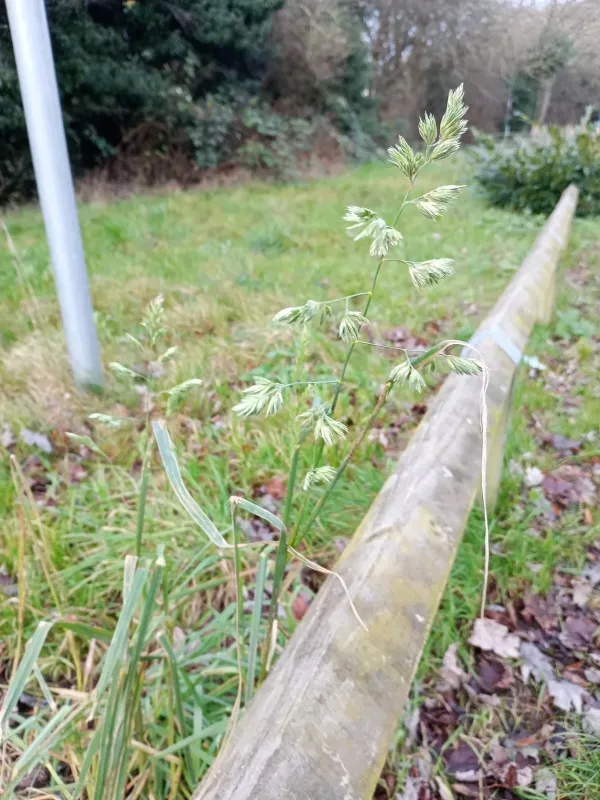
Description
Sowing dates
Cocksfoot (Dactylis glomerata) is a highly productive perennial grass known for its rapid establishment in suitable climates. Sowing is typically performed in early spring or late summer to take advantage of moist soil conditions.
The seeding rate varies significantly depending on whether it is sown as a monoculture or as part of a mixture. Generally, 10–15 kg per hectare is recommended for pure stands, while lower rates are used in multispecies pastures.
Correct placement is crucial because cocksfoot seeds are relatively small. Planting at a depth of 1–2 cm ensures that the seedlings can emerge successfully without exhausting their energy reserves before reaching the surface.
Rolling the field after sowing is highly recommended to ensure proper seed-to-soil contact. This practice is essential for moisture uptake, particularly in drier regions or during spring sowing periods.
During the first year, cocksfoot focuses on root development and tiller formation. Therefore, weed control is of paramount importance during the establishment phase to prevent competitive species from suppressing the young grass.
Growing requirements
Cocksfoot belongs to the Poaceae family and is highly adaptable to various soil types, although it thrives best in deep, fertile, and well-drained soils. It prefers a pH range between 6.0 and 7.0.
While the plant requires sufficient moisture for high yields, it is noted for its excellent drought tolerance compared to other common forage grasses. This is due to its deep and robust root system that accesses water in lower soil layers.
Winter hardiness is a defining feature of the species, allowing it to survive in cold climates. It remains productive throughout most of the growing season, starting its regrowth earlier in the spring than many other perennial grasses.
Shade tolerance is another notable characteristic of cocksfoot. It can be successfully integrated into silvopasture systems or orchard floor management where direct sunlight is limited by canopy cover.
For optimal health and productivity, cocksfoot requires adequate nitrogen fertilization. It is a nitrogen-responsive crop and benefits significantly from split applications throughout the growing season to support biomass accumulation.
Yield
The yield potential of cocksfoot is substantial, typically ranging from 8 to 12 tonnes of dry matter per hectare under good management. Yields are heavily influenced by environmental factors and fertilizer inputs.
Under intensive management with irrigation and high fertility, yields can exceed 15 tonnes per hectare. The crop is capable of producing multiple high-quality cuts throughout the season, making it a reliable feed source.
Regrowth ability is one of cocksfoot's greatest strengths, allowing for frequent grazing cycles. This vigor makes it a cornerstone of pasture-based livestock systems where high stocking rates are maintained.
In terms of nutritional value, cocksfoot offers high protein content, especially when harvested at the vegetative stage. It provides essential minerals and energy required for both dairy and beef cattle performance.
Productivity remains high for several years, often lasting 6–10 years depending on the management intensity. Regular soil testing and fertilization help maintain this high level of yield over the lifespan of the stand.
Main diseases and pests
Rust diseases are the most common issue affecting cocksfoot stands, appearing as orange or brown pustules on the foliage. These diseases flourish in humid environments and can reduce both the quantity and quality of the forage.
Powdery mildew may also occur, particularly in dense stands with poor airflow. It covers the leaves in a white, dusty layer, which hinders photosynthesis and reduces the palatability of the forage.
Pest threats include various species of aphids and grass flies, which can damage the stems or inhibit tiller development. Such infestations are more likely in weakened or improperly fertilized stands.
Management strategies emphasize the importance of frequent cutting or grazing to prevent overly dense, stagnant canopies. Good airflow within the stand is the best natural defense against fungal diseases.
Integrated pest management (IPM) should be applied if damage exceeds economic thresholds. However, maintaining a healthy, vigorous crop through proper agronomy is the primary method of preventing significant pest damage.
Harvesting
To obtain high-quality hay or silage, harvesting should take place at the early heading stage. This is the optimal window when protein content is high and structural carbohydrates are not yet excessively lignified.
When used for grazing, rotational management is key to preventing the grass from becoming stemmy and unpalatable. Maintaining the pasture in a leafy, vegetative state ensures maximum nutrient intake for the livestock.
Usually, 3 to 4 harvests can be achieved in a single growing season. Allowing enough recovery time between harvests, typically 30–40 days, is essential for the plant to store energy for the next cycle.
When producing silage, wilting the material to 55–60% moisture is ideal. This moisture level facilitates efficient fermentation and preserves the nutritional integrity of the grass for winter feeding.
Proper harvesting practices not only improve feed quality but also protect the plant's growth points. This ensures the longevity of the stand and consistent productivity across successive years of utilization.