
Carpet grass
Axonopus compressus (Sw.) P. Beauv.
Description
Growing requirements
Carpet grass, scientifically known as Axonopus compressus, is a perennial stoloniferous grass belonging to the Poaceae family. It is native to tropical America and has become a valuable forage and groundcover species throughout many humid regions of the world.
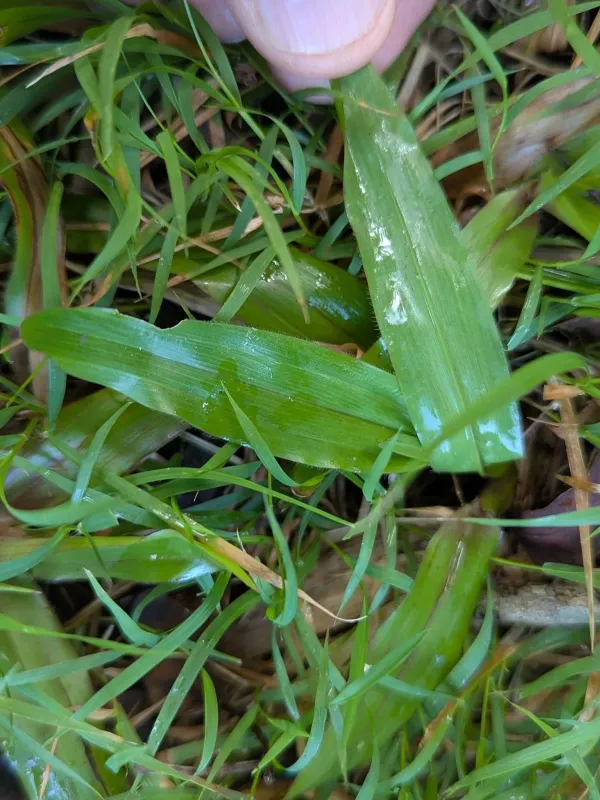
The plant is characterized by its prostrate growth habit, forming a dense sod that is highly effective at preventing soil erosion. Its foliage is bright green, relatively broad, and soft, making it a popular choice for low-maintenance lawns as well as cattle pastures.
In terms of climatic requirements, this grass thrives in warm, humid conditions where temperatures remain consistently high. It lacks frost tolerance and typically goes into dormancy or dies back if exposed to prolonged cold weather or freezing temperatures.
Soil requirements are relatively flexible, as the grass is known to be tolerant of acidic, nutrient-poor, and poorly drained soils. However, for maximum dry matter production, it responds positively to fertile, well-draining soils with adequate moisture availability.
Management practices should focus on maintaining a moderate grazing intensity to prevent the grass from becoming overly stemmy and unpalatable. Regular mowing or grazing encourages lateral spread through stolons, ensuring a thick, uniform mat that crowds out invading weeds.
Main diseases and pests
The species is susceptible to various fungal pathogens, particularly in regions with high humidity or poor air circulation within the canopy. Rust diseases are common and can impact the photosynthetic capacity of the plants, leading to reduced yield and coverage.
Pests such as armyworms and various soil-dwelling insects can cause localized damage to the roots and stolons. Effective management involves monitoring plant health and, in severe cases, employing integrated pest management strategies to protect the pasture vigor.