
Velvet bentgrass
Agrostis canina L. ssp. canina Hwd
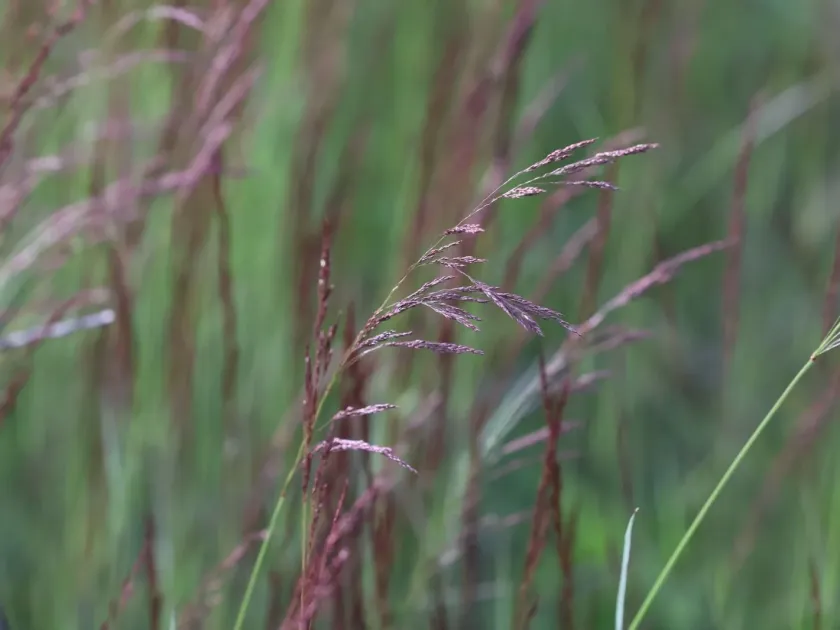
Description
Sowing dates
Velvet bentgrass (Agrostis canina L. ssp. canina Hwd) is best sown during the cool, moist periods of spring or late summer. Early autumn is often preferred as it allows the grass to establish a robust root system before the onset of winter dormancy.
The seeds are exceptionally small, requiring a carefully prepared, fine seedbed. It is recommended to use a seed-to-soil contact method, such as light rolling after sowing, to ensure the seeds do not dry out and are protected from wind erosion.
Seeding rates for velvet bentgrass are relatively low due to the species' potential for vigorous stoloniferous spreading. A typical rate is approximately 5–8 grams per square meter, depending on the desired density and speed of establishment.
During the germination phase, which can take up to three weeks, constant moisture is essential. The soil surface must be kept damp without being waterlogged to prevent the delicate seedlings from desiccating in the sun or wind.
Once established, velvet bentgrass exhibits excellent spreading capabilities. This ability to fill in gaps through stolon growth makes it a preferred choice for areas where high-quality, dense turf is required without the need for constant over-seeding.
Growing requirements
Velvet bentgrass is a member of the Poaceae family, known for its fine-textured, soft blades. It originates from temperate regions of Europe and has become highly valued globally for its aesthetic appeal and superior density.
The species thrives in cool, humid climates and is highly tolerant of acidic soil conditions. It performs exceptionally well in areas with high organic matter and consistent moisture availability, making it ideal for coastal or wetland-adjacent sites.
While it can tolerate some shade, velvet bentgrass performs best in full sun. It requires a well-drained soil profile; although it likes moisture, it does not tolerate long-term water stagnation, which can suffocate the roots.
The plant is highly cold-hardy, capable of surviving harsh winters with ease. Its resilience in freezing conditions is one of the reasons it is frequently used on golf course greens in Northern Europe and North America.
In terms of management, it requires regular, precise mowing at low heights to maintain its velvet-like quality. Regular aeration and light topdressing are also recommended to manage thatch buildup and keep the sward healthy.
Yield
The primary use of velvet bentgrass is in the production of high-end turf for golf courses, particularly for putting greens. In this context, its "yield" is measured by its ability to provide a smooth, consistent playing surface that withstands frequent mowing.
Beyond turf management, this species provides good early-season grazing in naturalized pasture settings. Its ability to regrow quickly after grazing makes it a useful component of cool-season forage blends in specific regions.
Seed production for velvet bentgrass is a specialized agricultural activity. Yields are highly dependent on environmental control during the flowering stage, as the seeds are prone to shattering if not harvested at the correct moisture content.
As a landscape component, it offers excellent erosion control on slopes and near water bodies. Its dense root system and stoloniferous habit stabilize the soil effectively against runoff and moderate wind erosion.
Economic value is derived not only from seed sales but also from the maintenance of turfgrass stands, which increase property values and provide essential recreational infrastructure in the sports and leisure sectors.
Main diseases and pests
Velvet bentgrass is susceptible to various fungal diseases, especially in hot, humid summers. Common issues include dollar spot and brown patch, which can severely damage the visual quality and health of the turf stand.
Pest pressure from insects such as cutworms, webworms, and grubs can impact the root and shoot systems. Regular monitoring of turf health and localized treatment can mitigate these threats before they cause widespread damage.
Thatch accumulation is a significant management threat. If allowed to build up, thatch prevents nutrients and water from reaching the soil and creates a habitat for diseases, requiring regular vertical mowing or core aeration.
Competition from aggressive, broadleaf weeds or unwanted grass species like Poa annua can be a problem. Maintaining a dense, healthy stand through proper nitrogen fertilization and mowing practices is the best defense against weed invasion.
Environmental stress, such as extreme heat or drought, can weaken the plant. During these periods, irrigation management is crucial to maintain turgor pressure within the plant cells and prevent the onset of dormancy or turf thinning.