
Cloud grass
Agrostis nebulosa Boiss. & Reut.
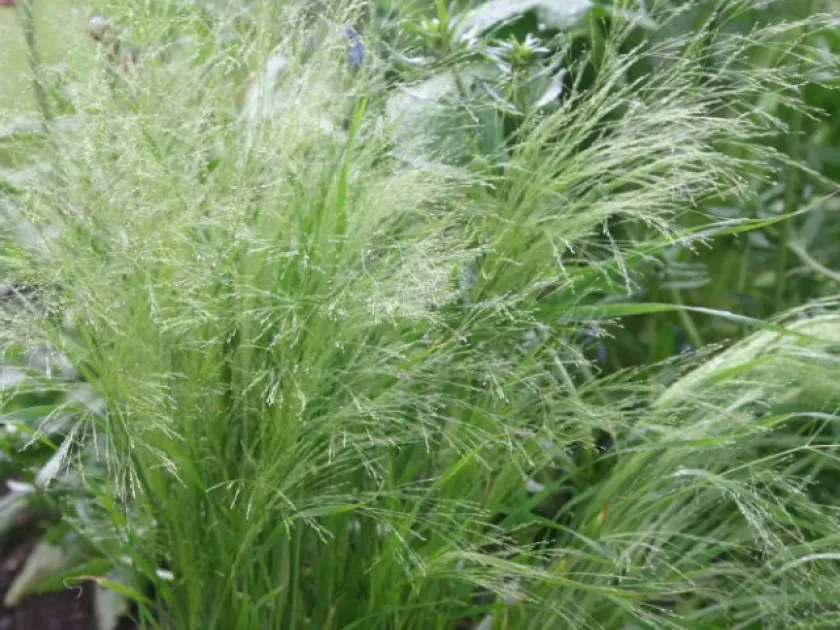
Description
Sowing dates
Cloud grass is an annual plant, so it is typically sown directly into the open ground during the spring. The optimal time for sowing is late April or early May, once the soil has sufficiently warmed up after the winter months.
The seeds of this grass are extremely small and fine. When sowing, it is best to mix them with a bit of sand to ensure even distribution and then simply press them gently into the moist soil surface without burying them too deeply.
Seedlings usually emerge quickly provided that the top layer of the soil is kept consistently moist. Once the plants reach a few centimeters in height, they should be thinned out to allow approximately 10-15 centimeters between them for proper development.
For regions with shorter growing seasons, starting seeds indoors in March is a viable option. Use a light, well-draining potting mix and provide plenty of sunlight to ensure the seedlings remain sturdy.
Transplanting the hardened-off seedlings into the garden should occur in late May, ensuring the risk of frost has completely passed, allowing the plants to establish themselves before the heat of summer.
Growing requirements
Cloud grass thrives in open, sunny locations. Being highly photophilous, it requires full sun exposure to produce its characteristic, airy, cloud-like panicles; any shade will result in weak growth and reduced aesthetic value.
The plant is not overly demanding regarding soil type but prefers light, well-draining sandy or loamy soils. It will not tolerate heavy, waterlogged clay soils, which can lead to root rot and stunted development.
As a member of the Poaceae family, it is prized for its delicate texture. In its native Mediterranean habitat, it is adapted to drier conditions, though it benefits from occasional supplemental watering during prolonged dry spells.
Cloud grass is an excellent choice for garden borders or rockeries, adding a soft, wispy element that contrasts well with broader-leaved plants. It brings a unique, ethereal aesthetic to any landscape.
Since it is not cold-hardy in temperate climates, it is treated as an annual and must be replanted each season. Its rapid growth cycle allows it to reach maturity and flower efficiently within a single season.
Yield
The yield of this crop is measured by the quality and density of its ornamental panicles rather than total biomass. High-quality agricultural practices ensure a bountiful supply of these airy, silvery inflorescences.
For the cut flower industry, harvest timing is critical. Panicles should be collected at the stage of full maturity, when they are at their most fluffy and visually stable state, typically mid-to-late summer.
Proper harvest techniques ensure that the plants retain their form. Harvesting should be done in dry weather to minimize moisture content and prevent post-harvest spoilage during the drying phase.
While the overall weight of the harvest is light, the high demand for delicate dried fillers makes this a profitable specialty crop for small-scale flower growers and crafters.
Strategic fertilization with balanced nutrients during the vegetative stage helps maximize the number of flower stalks and enhances their overall structural integrity for drying.
Main diseases and pests
Cloud grass possesses a robust natural immunity to many common pests. However, in poorly prepared soils, subterranean pests such as wireworms may occasionally target the root system of young plants.
Excessive humidity combined with poor air circulation can predispose the plants to fungal issues, such as powdery mildew or rust. Maintaining spacing between plants is the best natural prevention strategy.
Weed management is vital during the early stages of growth, as competing weeds can hinder the grass's development and retain moisture around the base, increasing the risk of pathogenic infections.
Root rot is the most common issue associated with over-irrigation. Ensuring a well-draining site is the primary defense against water-related plant stress and decay.
In cases of aphid outbreaks during particularly hot summers, insecticidal soaps or biological controls can be used, though preventative cultivation practices are usually sufficient to maintain a healthy stand.
Harvesting
Harvesting should occur on a dry, sunny morning after the dew has evaporated. Using sharp shears, cut the stalks at the desired length, ensuring a clean cut to prevent unnecessary stress on the plant.
To dry, bundle the stalks loosely and hang them upside down in a well-ventilated, shaded area. This allows for even drying and helps maintain the natural, open shape of the panicles.
Direct sunlight should be avoided during the drying process, as it causes the color of the panicles to fade and makes the stalks brittle and prone to snapping.
After approximately one to two weeks, the grass will be fully dried and stable. The panicles can be lightly sprayed with a floral fixative to preserve their fluffiness and prevent shedding over time.
Store the finished dried product in a cool, dry place away from direct moisture, which will allow the grass to retain its ornamental quality for an entire season or longer.