
Creeping bentgrass
Agrostis stolonifera L. x A. canina. L.
Description
Sowing dates
Creeping bentgrass is best established during early spring or late summer. These windows of time provide cool weather and consistent moisture, which are critical for the germination of small seeds.
The seeding process requires precision, as the seeds are extremely tiny. A seeding rate of 3 to 5 grams per square meter is usually sufficient to establish a dense, high-quality turf stand.
Seeds should be sown on a well-prepared, firm seedbed. Covering them with a very thin layer of substrate or raking them slightly into the surface is necessary for optimal emergence.
Irrigation immediately following seeding is vital. The soil must be kept moist throughout the entire germination period, often requiring multiple light watering sessions daily.
Establishing the lawn properly in the first few weeks will ensure a deep root system, which helps the grass survive throughout the warmer summer months and winter frosts.
Growing requirements
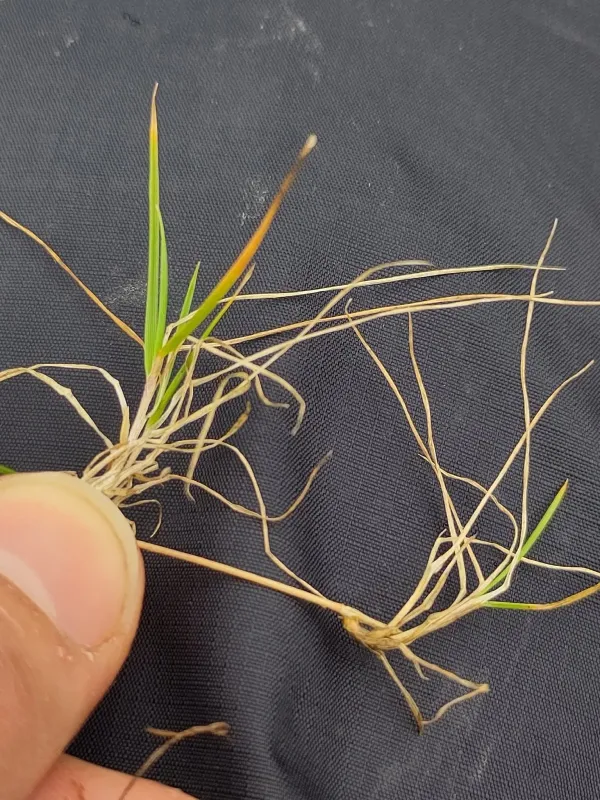
Creeping bentgrass, a member of the Poaceae family, is highly prized in the landscaping industry for its ability to form a thick, carpet-like surface that tolerates very low mowing heights.
It thrives in moist environments and shows a high tolerance for waterlogged soil, making it a suitable choice for sites with high water tables or near water features.
This grass prefers fertile, slightly acidic soils. It requires regular nutrient input, especially nitrogen, to maintain its vibrant green color and rapid vegetative growth rate.
High light requirements are characteristic of this species. While it has some shade tolerance, its best performance is achieved in open areas with full sun exposure throughout the day.
Regular maintenance practices, including vertical mowing, topdressing, and aeration, are essential to control thatch buildup and ensure long-term health and uniformity of the turf.
Main diseases and pests
The most significant disease threats to creeping bentgrass include dollar spot, brown patch, and snow mold, which are particularly prevalent in humid and stagnant air conditions.
These fungal diseases can spread rapidly across a lawn if not managed properly. Prevention includes improving air circulation through mechanical aeration and adjusting irrigation schedules.
Insect pests like sod webworms and grubs can cause significant damage to the roots or blades, leading to patches of dead grass that detract from the overall aesthetic.
Proper sanitation, such as removing grass clippings when disease levels are high, can help reduce the spore load and prevent the further spread of pathogens.
A balanced fertilization program is essential, as excessive nitrogen during periods of high humidity can make the grass more susceptible to certain fungal attacks.