
Velvet bent
Agrostis canina L.
Description
Sowing dates
Sowing Velvet bent is best accomplished during the spring or late summer when soil temperatures are stable and moisture levels are conducive to rapid germination.
The seeds are exceptionally small, requiring a surface sowing method or very shallow burial to ensure they are not smothered by excessive soil depth.
A seeding rate of approximately 5–10 grams per square meter is typically sufficient to establish a dense, fine-textured turf that is highly resistant to weed invasion.
Constant surface moisture must be maintained throughout the initial two to three weeks of growth to ensure the survival of young, delicate seedlings.
Rolling the soil lightly after sowing helps in improving the seed-to-soil contact, which is critical for consistent germination rates across the entire field.
Growing requirements
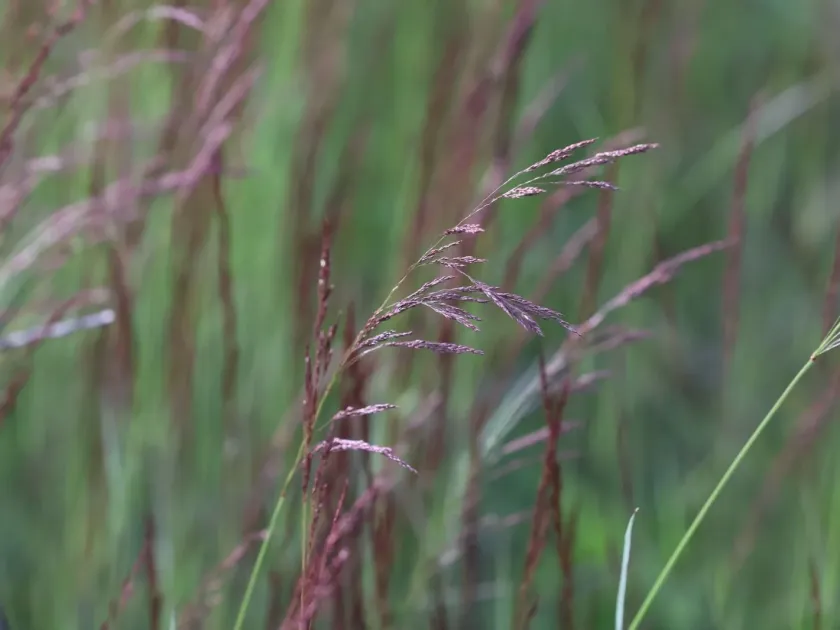
Velvet bent (Agrostis canina) is a perennial grass species in the Poaceae family, recognized for its distinct preference for moist, acidic growing conditions.
It thrives in soils that may be considered too damp for other grass species, demonstrating high tolerance for organic-rich, peaty, and heavy clay environments.
This grass is highly prized for its ability to tolerate very low mowing heights, making it an excellent choice for elite putting greens and decorative ornamental lawns.
While it is relatively shade-tolerant compared to other bent species, it performs best in temperate climates with adequate rainfall and moderate ambient temperatures.
Soil pH levels should ideally range between 5.0 and 6.5 to maintain the health and competitive vigor of the stand against unwanted grasses or weeds.
Yield
The primary economic value of Velvet bent is in the amenity and sports turf industry, where its fine texture and density create a superior playing surface.
In agricultural settings, it contributes to the productivity of lowland pastures, offering high palatability and nutritional value for grazing livestock.
The plant's natural tendency to spread through stolons ensures long-term persistence in the stand, reducing the need for frequent over-seeding or rejuvenation.
Managing the yield for seed production requires careful attention to irrigation and pest control during the critical late spring flowering stages.
Overall, the use of Velvet bent enhances the structural stability of soils in flood-prone areas, preventing erosion while providing quality biomass.
Main diseases and pests
The most significant threat to the health of Velvet bent is Dollar Spot, a fungal disease that thrives in high-humidity conditions and requires proactive management.
Rust and powdery mildew are also frequent concerns, especially in areas with poor air circulation or excessive shade combined with high moisture levels.
Insect pests such as leatherjackets can cause severe damage to the root system, often leading to rapid thinning of the turf canopy in the summer months.
- Dollar Spot
- Rust disease
- Powdery mildew
- Leatherjackets
Effective management strategies include routine aeration to reduce soil compaction and the application of fungicides only when necessary to preserve turf health.