
Redtop
Agrostis gigantea Roth
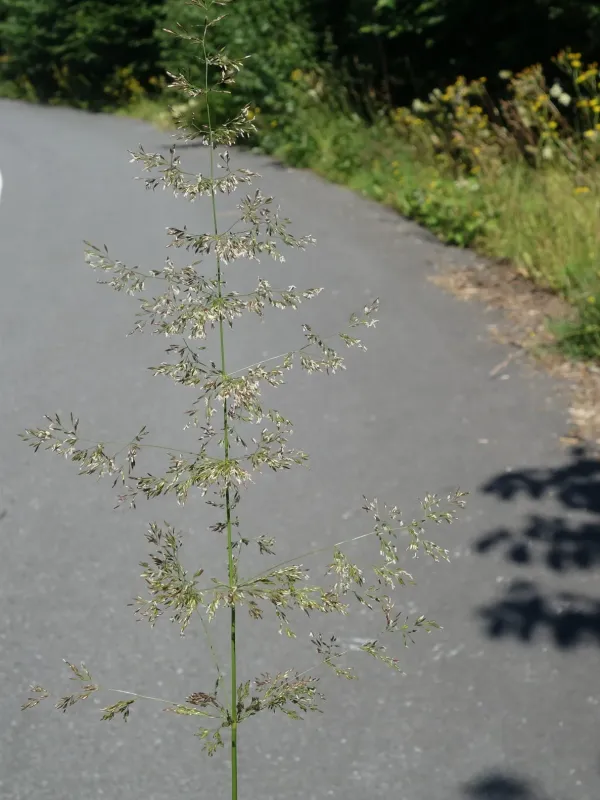
Description
Sowing dates
Redtop (Agrostis gigantea) is a hardy perennial grass species belonging to the Poaceae family. It is recognized for its extensive rhizome system, which provides excellent soil stability and durability in pastures.
The ideal time for planting is early spring or late summer, ensuring the soil has sufficient moisture for germination and establishment of the root system.
It is commonly included in seed mixtures for permanent meadows and pastures, often paired with legumes like red clover or other grasses to improve forage quality.
The seeding rate typically ranges from 6 to 10 kg per hectare. Because the seeds are extremely small, careful shallow planting (no more than 2 cm deep) is crucial.
Proper seedbed preparation, including firming the soil with a roller after sowing, significantly improves germination rates and ensures a uniform stand establishment.
Growing requirements
Redtop thrives in moist to wet soil conditions, making it an excellent choice for low-lying areas, wetlands, or soils that are prone to periodic flooding.
It adapts well to a variety of soil textures, ranging from heavy clays to sandy loams, and can tolerate moderately acidic soil environments better than many other forage grasses.
As a light-demanding species, Redtop does not perform well under dense shade. It requires open conditions to maintain high density and vigor within the sward.
The grass is highly winter-hardy, allowing it to survive harsh climates and persist for several years even in regions with significant temperature fluctuations.
Strategic nitrogen fertilization throughout the growing season helps promote vigorous regrowth and increases the overall biomass yield of the forage.
Yield
Under optimal moisture conditions, Redtop can produce significant yields, often ranging from 15 to 25 tons of green forage per hectare throughout a single season.
The grass is known for its quick regrowth after cutting or grazing, which allows for multiple harvesting events, especially when managed with appropriate fertilization.
In terms of forage quality, it is highly palatable to livestock, particularly in the early growth stages before the seed heads fully emerge and lignification begins.
The crop is highly valued for its persistence in permanent pastures where it can withstand grazing pressure while maintaining a stable ground cover.
Yields are typically highest during the second and third years of establishment, after which periodic overseeding may be required to maintain stand density.
Main diseases and pests
Redtop can be susceptible to common grass diseases, including rust and various leaf spot fungi, which are often encouraged by humid conditions and poor air circulation.
Pests such as grass aphids and stem borers may affect the plant during the early stages of development, potentially reducing the overall vigour of the stand.
Effective management strategies include keeping the grass mowed to prevent the buildup of dense thatch and ensuring adequate drainage where possible.
If disease pressure becomes severe, the application of fungicides may be necessary, though cultural practices such as crop rotation remain the primary line of defense.
Maintaining a balanced soil nutrient profile helps the plants resist stress and recover more effectively from potential pest or disease outbreaks.
Harvesting
The best time to harvest Redtop for hay is at the early heading stage, which provides the best balance between high biomass yield and forage nutritional value.
When cutting the grass, maintaining a stubble height of at least 5 to 7 cm is recommended to protect the basal growing points and stimulate faster regrowth.
For seed production, the harvest should take place when the panicles have reached the dough stage but before the seeds start to shatter and fall to the ground.
Proper curing of the hay, involving effective raking and tedding, is essential to retain the green color and nutritional profile of the harvested biomass.
When used in a pasture system, rotational grazing is encouraged to allow the plants to replenish root reserves, ensuring long-term sustainability of the stand.