
Highland bentgrass
Agrostis castellana Boiss. & Reut.
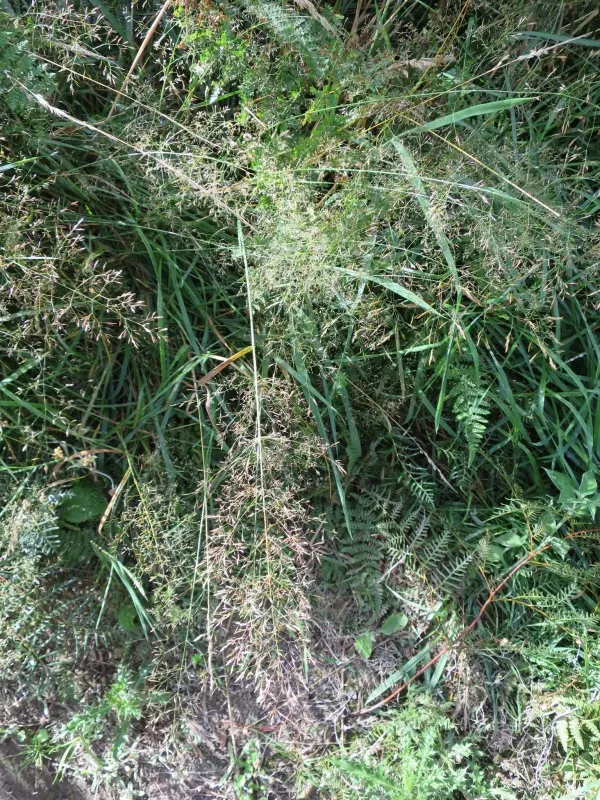
Description
Sowing dates
Highland bentgrass (Agrostis castellana Boiss. & Reut.) is a perennial grass species belonging to the Poaceae family. It is widely recognized for its fine texture and ability to form a dense, uniform sward, making it a popular choice for high-quality lawns and golf courses.
The optimal sowing time is during the spring or late summer months, when temperatures are moderate and soil moisture is consistent. The seeds are very small, requiring a very fine and firm seedbed to ensure successful germination and establishment.
When seeding, the depth should be carefully controlled, ideally not exceeding 0.5 to 1 cm. Once seeded, light rolling or mulching can help protect the seeds from washing away and maintain necessary moisture levels until sprouts emerge.
This grass species is known for its ability to spread via underground stolons, which helps it fill in gaps and maintain a dense cover over time. It establishes a resilient root system that aids in soil stabilization.
Choosing the right location is crucial, as Highland bentgrass thrives best in areas with full sun exposure, although it maintains decent performance in partial shade compared to other bentgrass varieties.
Growing requirements
This grass species prefers well-drained, fertile soils with a neutral pH. It is highly valued for its superior drought tolerance compared to many other bentgrass species, allowing it to maintain color and vitality in drier conditions.
Proper water management is essential; although it withstands drought, consistent irrigation during prolonged dry spells is necessary to prevent browning. Drainage is equally important to avoid waterlogging and root health issues.
Regular maintenance including frequent mowing at low heights (2–5 cm) encourages dense growth and prevents the accumulation of excessive thatch. Using a reel mower provides the cleanest cut for this fine-bladed grass.
Balanced fertilization programs, particularly those containing nitrogen, are essential during the growing season. Applying fertilizer in small, split doses helps promote steady growth and high density without promoting excessive, succulent tissue.
Cold hardiness is one of the key strengths of this species, making it suitable for a variety of temperate climates. It enters dormancy during harsh winter conditions and resumes growth promptly as temperatures rise.
Main diseases and pests
Highland bentgrass is susceptible to various fungal diseases, such as dollar spot, rust, and brown patch, particularly in high-humidity or poorly ventilated environments. Proper cultural practices are the first line of defense.
Reducing moisture on the leaf surface by mowing when the grass is dry and ensuring adequate aeration are effective ways to mitigate the risk of infection. Maintaining low thatch levels is also critical for disease control.
Common insect pests, including grubs and sod webworms, can cause localized damage to the root system. Regular monitoring for insect activity allows for targeted and timely intervention using integrated pest management strategies.
Weed competition during the establishment phase can significantly impede the development of the stand. Pre-emergent or selective post-emergent herbicides, applied according to strict label guidelines, are often necessary.
Overall, keeping the grass healthy through optimal soil nutrition and appropriate irrigation management is the best way to ensure natural resistance against the most common environmental and biological threats.