
Creeping bentgrass
Agrostis stolonifera L.
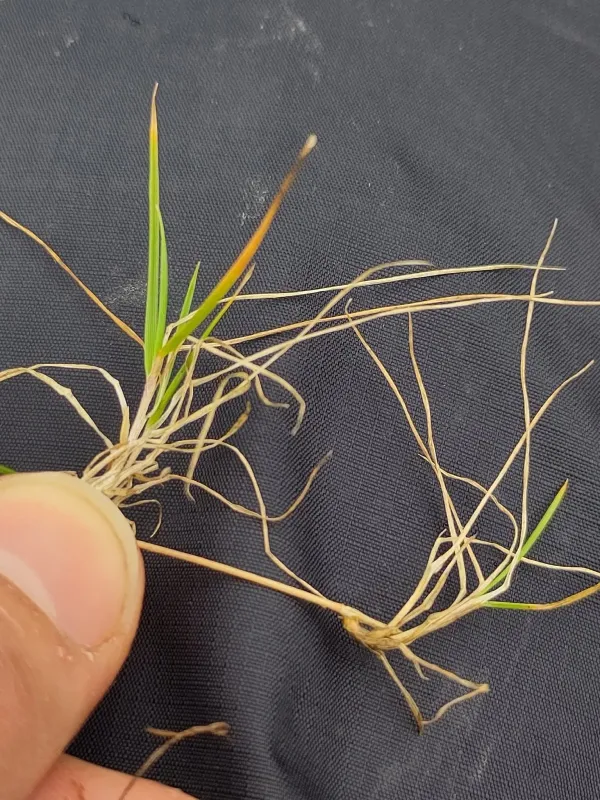
Description
Sowing dates
Creeping bentgrass (Agrostis stolonifera) is a perennial cool-season grass belonging to the Poaceae family. It is widely recognized for its stoloniferous growth habit, allowing it to spread horizontally and form a very dense, uniform mat.
The ideal time for sowing this species is in early spring or late summer when temperatures are moderate. These seasons provide the necessary moisture and soil warmth for rapid seed germination and establishment.
Due to the extremely small size of the seeds, they should be sown shallowly, ideally at a depth of 0.5 cm. A typical seeding rate for establishing a new golf green or lawn is approximately 5 to 10 grams per square meter.
Post-seeding, the surface should be gently rolled to ensure good seed-to-soil contact, which is critical for success. Keeping the seedbed consistently moist throughout the first two weeks is essential for uniform emergence.
It is a preferred choice for high-maintenance turf areas such as putting greens and fine ornamental lawns. Its ability to repair itself through vigorous lateral stolon growth makes it highly valued in sports turf management.
Growing requirements
This grass thrives in moist, fertile soils. It is particularly well-adapted to damp sites and can tolerate occasional flooding, which sets it apart from many other common turfgrass varieties.
Creeping bentgrass requires full sun to maintain high density and vigor. While it can tolerate partial shade, excessive shading often leads to thinning turf and increased susceptibility to various fungal diseases.
Soil pH should ideally be neutral or slightly acidic. Proper soil fertility management is crucial, specifically the application of nitrogen, which encourages the development of the dense vegetative mat that is characteristic of the species.
Management involves frequent low-height mowing, often between 3 mm and 10 mm on professional greens. Regular mowing practices stimulate lateral growth and keep the turf in a juvenile, high-quality state.
Adequate irrigation is necessary, particularly during hot summer months, as this species is sensitive to heat and moisture stress. Implementing a proper drainage system is highly recommended for long-term health.
Main diseases and pests
The primary threats to this grass are fungal diseases such as dollar spot, brown patch, and snow mold. These pathogens thrive in the high-humidity, high-density environments that the grass naturally creates.
Pests such as sod webworms or grubs can also impact turf quality by feeding on roots or foliage. Integrated pest management (IPM) strategies, including biological controls, are effective in mitigating these risks.
Preventative fungicide applications are common in golf course maintenance programs. Aeration and verticutting are essential to remove excessive organic buildup, known as thatch, which often harbors spores and pests.
Improving air circulation across the turf surface is a fundamental preventative measure. By managing the microclimate, growers can significantly reduce the pressure from various leaf and root pathogens.
Monitoring for early symptoms of stress or discoloration is vital. Quick identification and targeted intervention prevent large-scale damage and ensure the longevity of the turf stand throughout the growing season.