
Common bent
Agrostis capillaris L.
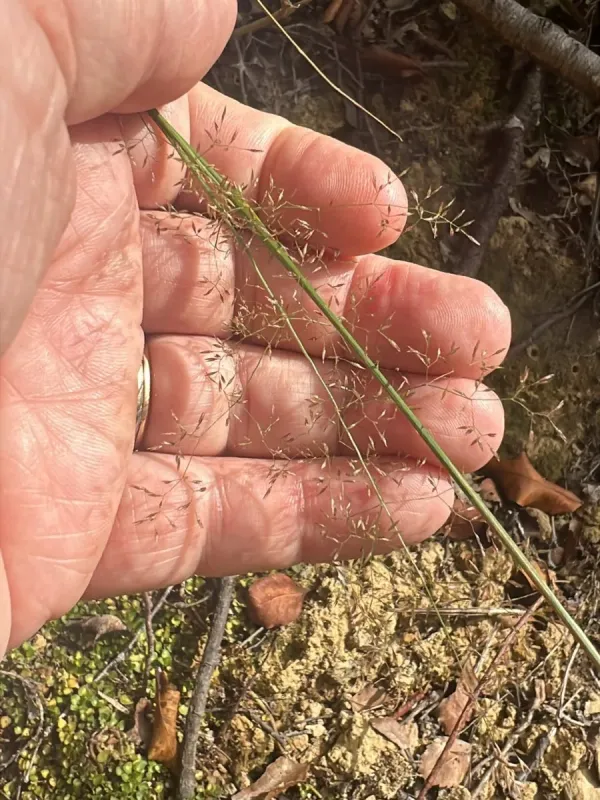
Description
Sowing dates
Sowing of common bent is typically performed in early spring as soon as the soil temperatures rise to 8–10 degrees Celsius. This timing ensures that the seeds receive sufficient moisture during the germination phase, which is critical for establishment.
Autumn sowing is also a viable option, allowing the seeds to undergo a natural cooling period. This practice often results in more vigorous spring growth and better establishment of the root system before the onset of summer heat.
The seeding rate varies based on the intended use, generally ranging from 6 to 10 kilograms per hectare for pastures and turf. For dense residential lawns, rates can be increased to ensure rapid coverage and high aesthetic appeal.
Due to the small size of the seeds, shallow sowing is mandatory; the depth should not exceed 0.5 to 1 centimeter. After spreading, rolling the soil surface is essential to ensure good contact between the seed and the soil, promoting uniform germination.
Preparation of the seedbed is a crucial precursor to sowing. The ground must be cleared of weeds and debris, and the surface should be perfectly leveled to accommodate the fine, creeping growth habit of this grass species.
Growing requirements
Common bent belongs to the Poaceae family and is a long-lived perennial grass found across temperate regions worldwide. It is highly valued for its ability to adapt to diverse environments, from meadow pastures to managed turfgrass settings.
This species is moderately undemanding regarding soil fertility, though it thrives best in loam or sandy-loam soils with good moisture retention. It is notably tolerant of acidic soil conditions where many other grass species struggle to survive.
It possesses excellent cold hardiness, enabling it to withstand harsh winters without significant injury. While it prefers consistent moisture, it displays reasonable drought tolerance compared to other bentgrass varieties, especially once established.
Common bent demonstrates good shade tolerance, making it an ideal component for lawns or park areas partially shaded by trees. It forms a dense, tight sward that is highly effective at competing against invasive weeds and preventing soil erosion.
The plant features extensive stoloniferous growth, which allows it to spread laterally and fill in gaps in the ground cover. This growth characteristic ensures the longevity of the grass stand, which can persist for many years under proper care.
Yield
The primary use for Agrostis capillaris is in the establishment of high-quality decorative and sports turf. Its fine-textured leaves create a smooth, dense carpet that is aesthetically pleasing and resilient to moderate traffic.
In agricultural settings, it serves as a valuable forage crop, particularly in cooler, high-altitude pastures. It offers good nutritional value for livestock, especially when managed with rotational grazing to keep the grass in a vegetative growth stage.
It is frequently included in seed mixtures for permanent pastures and meadows. Its ability to regrow quickly after mowing or grazing makes it a reliable component in long-term forage systems where sustained production is necessary.
Maintaining the desired aesthetic requires regular mowing at heights of 3 to 5 centimeters. Frequent trimming encourages lateral growth and maintains the density of the turf, preventing it from becoming coarse or stalky.
Due to its high persistence and soil-binding properties, common bent is also utilized in environmental restoration projects. It is an excellent choice for stabilizing slopes and covering disturbed soil to prevent water and wind erosion.
Main diseases and pests
The most common disease challenges for common bent include powdery mildew and rust, which typically emerge under high humidity or poor air circulation. Proper management, such as thinning the canopy or improving drainage, helps prevent these issues.
Root rot may occur in areas with poor drainage or stagnant water, leading to thinning of the sward. Preventing waterlogging through correct site preparation is the best defense against soil-borne pathogens that target the root system.
Insects, such as subterranean larvae, can cause significant damage to the roots, leading to localized dead spots. Monitoring the lawn during peak insect activity is necessary to detect potential infestations before they cause widespread damage.
Integrated pest management, focusing on proper cultural practices, remains the most effective way to protect the grass. This includes balanced fertilization, timely mowing, and the use of healthy, certified seed to prevent the introduction of weeds and pests.
When chemical interventions are required, they should be applied judiciously and only when cultural controls are insufficient. Maintaining a healthy growing environment is the primary strategy for ensuring that common bent remains vibrant and resistant.