
Brown bent
Agrostis vinealis Schreb. subsp. vinealis
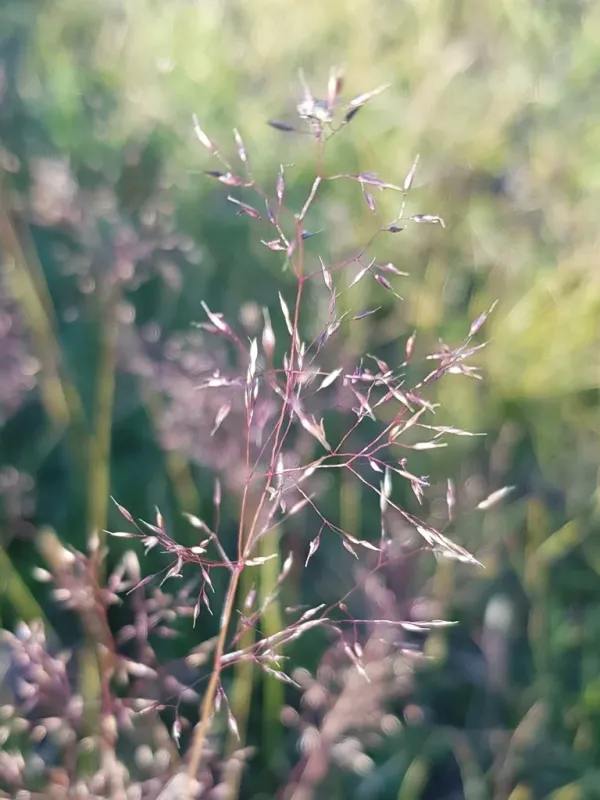
Description
Sowing dates
Brown bent (Agrostis vinealis) is a persistent perennial grass widely recognized for its ability to stabilize dry, sandy soils while providing a reliable forage source.
Sowing is typically performed during early spring or late summer to take advantage of moist soil conditions, which significantly improves seedling establishment rates.
Proper field preparation, including thorough leveling and seedbed compaction, is essential given the extremely small seed size characteristic of the genus Agrostis.
Seed depth should be kept to a minimum, often requiring only light surface harrowing to ensure adequate soil contact without burying the seeds too deep.
In mixed seeding scenarios, it is often combined with other robust grass species to create a resilient sward capable of withstanding varying environmental pressures.
Growing requirements
This species is highly valued for its exceptional drought tolerance, making it an excellent choice for marginal lands where more demanding forage crops might fail.
It thrives in light, acidic, and well-drained soils, showing a remarkable ability to extract nutrients even in soils with low fertility levels.
Being a sun-loving plant, it requires open areas with minimal overhead shade to maintain optimal density and produce a high-quality biomass yield.
Its tolerance to cold temperatures allows for cultivation in diverse climatic regions, including those with harsh winters and short growing seasons.
The plant exhibits low overall maintenance requirements, which contributes to its long-term viability as a low-input pasture and forage solution.
Yield
While not a high-intensity biomass producer compared to some commercial grasses, Brown bent offers a steady and reliable yield in challenging ecological zones.
The nutritional profile of the harvested forage is highly regarded, particularly for grazing livestock seeking a diverse and healthy diet in natural grassland settings.
Productivity can be enhanced through balanced fertilization strategies, focusing on nitrogen application at appropriate phases of the plant's seasonal cycle.
Consistent grazing pressure helps maintain the health of the sward, preventing the invasion of unwanted weeds and encouraging deeper root development.
The harvestable biomass remains digestible throughout the season, ensuring that animals receive consistent energy intake during both spring and summer cycles.
Main diseases and pests
Fungal diseases, such as leaf rust, can occasionally impact yield if high humidity persists during the warmer months, necessitating careful monitoring.
Common insect pests, including aphids, may target the succulent growth of young plants, although the impact is usually manageable through sound management practices.
Competition from more aggressive weeds during the first year of establishment remains the primary threat to developing young stands of this grass.
Adhering to correct grazing intervals and avoiding overstocking is vital to protect the integrity of the root system and prevent premature plant thinning.
Biological resilience is a defining trait, allowing the population to recover quickly from minor pest outbreaks or periods of extreme climatic stress.
Harvesting
Timing the harvest to the early heading stage is critical for maximizing the nutrient density of the hay before the plant shifts energy into seed production.
For pastures, rotational grazing management provides the best results, as it allows the grass to regenerate and maintain a dense, protective ground cover.
When cutting for hay, utilizing modern mowing equipment ensures a clean, even harvest that encourages rapid regrowth and secondary biomass accumulation.
Rapid field drying is essential to prevent discoloration and loss of essential nutrients during the curing process, especially in regions with unpredictable weather.
Proper storage in well-ventilated, moisture-free conditions is the final step in ensuring that the harvested product retains its quality for winter feeding.