
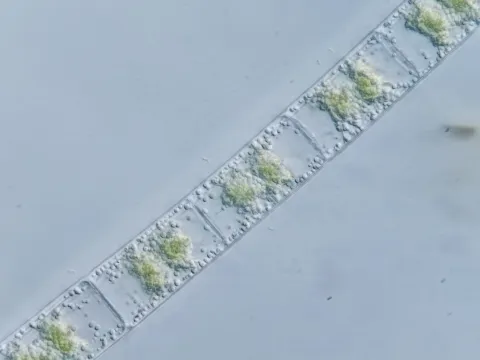
Zygnema
Zygnema
Zygnema is a genus of filamentous green algae belonging to the family Zygnemataceae. These organisms are distinguished by their simple, unbranched filaments and the presence of two stellate chloroplasts in each cell, which perform efficient photosynthesis.
What the section contains
Zygnema
Naturally occurring across diverse geographical regions, Zygnema thrives in freshwater environments such as ponds, streams, and ditches. It is known for its high adaptability to varying climatic conditions, often appearing as slimy mats on the surface of water bodies.
Optimal growth for Zygnema requires consistent exposure to sunlight and an adequate supply of dissolved mineral nutrients, particularly nitrogen and phosphorus. It thrives in stagnant or slow-moving water, making it a common inhabitant of shallow aquatic ecosystems.
Cultivation protocols involve maintaining specific water parameters, including a balanced pH level and controlled temperature regimes. Proper aeration is crucial in laboratory or commercial settings to prevent the stratification of nutrients and ensure optimal gas exchange.
From an industrial perspective, Zygnema is increasingly researched for its potential in bioremediation. Its ability to absorb heavy metals and filter excess nutrients from polluted water makes it a valuable asset for sustainable environmental management and water treatment.
The primary threats to Zygnema populations include chemical pollution from agricultural runoff, particularly the presence of pesticides and herbicides. These compounds act as potent inhibitors, severely disrupting the algal photosynthetic machinery.
Biological threats include grazing pressure from aquatic invertebrates like rotifers and various crustaceans, which consume the algal filaments. Large-scale infestations can significantly reduce the yield of biomass in cultivation facilities.
Pathogenic fungi, especially those within the Chytridiomycota phylum, pose a major risk to colony health. These parasites infiltrate algal cells, causing widespread cellular collapse and the eventual disintegration of the filaments.
Hydrological instability, such as rapid changes in water levels or complete desiccation of the habitat, can destroy established colonies. While Zygnema can produce zygospores for survival, frequent environmental stress disrupts its vegetative development.
Intense competition with other algal species, such as Spirogyra, often limits Zygnema growth. When water nutrient levels become too high, faster-growing species can overgrow the area, depleting resources and blocking the light required by Zygnema.