
Zygnema pectinatum
Zygnema pectinatum
Description
Growing requirements
Zygnema pectinatum is a species of filamentous green algae belonging to the Zygnemataceae family. In the context of agricultural land management, it is primarily recognized as a bioindicator of water quality in irrigation canals and drainage systems rather than a commercial crop.
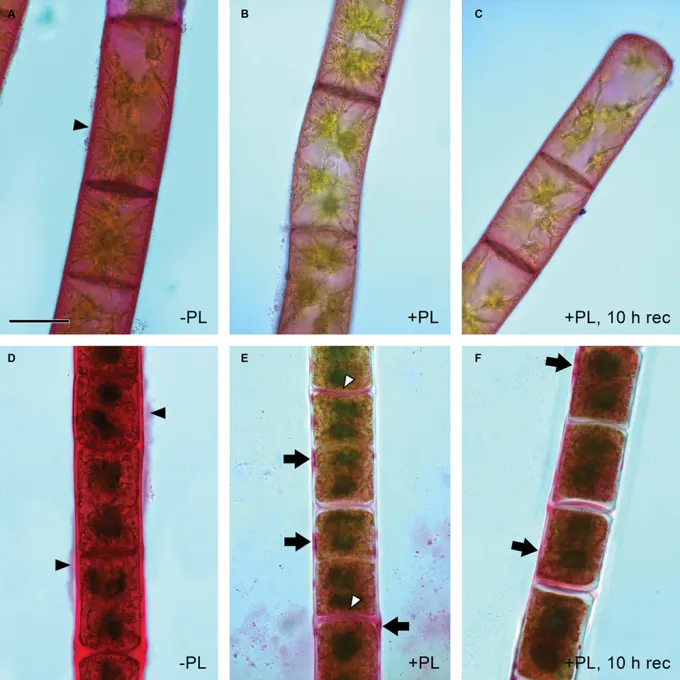
The botanical structure of this organism is defined by cells containing two stellate chloroplasts, which are essential for its photosynthetic activity. It forms dense, bright green, slippery mats that accumulate on the surface of calm or slow-moving freshwater bodies.
The species thrives in well-lit environments where the water pH is neutral or slightly acidic. It is highly sensitive to the availability of dissolved minerals, particularly nitrogen and phosphorus compounds, which are often introduced into the water through agricultural runoff.
Environmental conditions such as temperature significantly influence its growth rate, with an optimal range between 15°C and 25°C. High solar irradiance combined with warm water facilitates rapid biomass accumulation during the late spring and summer months.
Agronomists often use the presence of extensive Zygnema mats to assess the trophic status of irrigation water. A high density of this algae often indicates eutrophication, suggesting that nutrient leaching from nearby fields might be occurring.
Main diseases and pests
Agricultural chemicals, particularly herbicides intended for aquatic weed control, represent the most direct threat to the survival of Zygnema pectinatum. These compounds disrupt cellular metabolic processes, leading to the rapid decay of the algae.
Biological threats include various species of aquatic invertebrates and pathogens, such as fungi, that can colonize and decimate algae populations. These natural predators help maintain the balance of the aquatic ecosystem.
Mechanical disruptions, such as the drainage of irrigation channels or sudden fluctuations in water levels, are detrimental to the species. Desiccation causes a total loss of cellular integrity, leading to the collapse of the algal colony.
Water pollution, including heavy metal contamination or industrial effluent, acts as a stressor that significantly limits the reproductive capacity of the algae and reduces its overall population density.
Intense competition for sunlight and space from invasive aquatic vascular plants and other phytoplankton species can effectively displace Zygnema pectinatum from its established habitat.