
Ruizterania
Ruizterania
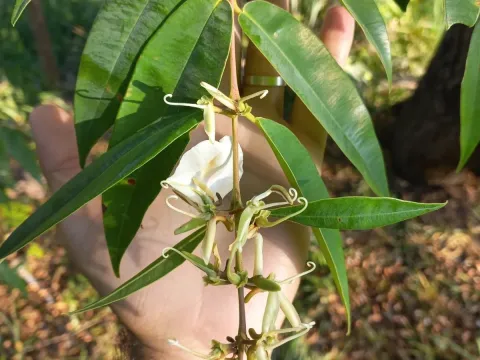
Ruizterania is a genus of trees belonging to the Malvaceae family. These plants are native to the tropical regions of South America, where they thrive in rich, well-drained forest soils characterized by high levels of organic matter.
What the section contains

Ruizterania
The botanical structure of Ruizterania typically includes a sturdy trunk and dense foliage, which are adaptations to the competitive environment of the tropical canopy. These trees require consistent temperatures and high humidity to achieve their maximum growth potential.
When cultivating these species, it is essential to mimic their natural habitat by ensuring optimal drainage. Waterlogging is detrimental to the root health of the plant, often leading to physiological stress and reduced growth rates in commercial plantations.
Proper site preparation involves testing the soil pH and nutrient availability, as these trees respond well to supplemental organic fertilization. Sunlight exposure is a critical factor, with the trees requiring significant light once they reach a certain stage of maturity.
In terms of economic value, the genus is recognized for its utility in agroforestry and potential for timber production. Researchers are currently evaluating different species within the genus for their ability to thrive in secondary forests and degraded landscapes.
Root decay caused by various soil-borne pathogens remains the primary biological threat to Ruizterania. This issue is frequently compounded by poor soil aeration and the lack of proper distance between individual specimens in a grove.
Wood-boring insects are significant pests that can compromise the structural integrity of the timber. Their activity creates entry points for secondary infections, which can severely weaken the tree and reduce the quality of the wood produced.
Fungal leaf spot diseases may occur during extended rainy seasons, particularly in regions with limited air circulation. The rapid spread of spores can lead to significant defoliation if not managed through proper sanitation practices.
- Monitor leaf discoloration regularly.
- Ensure adequate spacing to promote airflow.
- Avoid over-irrigation during the wet season.
- Remove damaged branches immediately.
- Maintain soil health through mulch application.
Effective management strategies require an integrated approach, combining biological controls and careful observation. By maintaining healthy conditions, the susceptibility of the trees to localized infestations is significantly reduced throughout the growth cycle.