
Ruizterania albiflora
Ruizterania albiflora
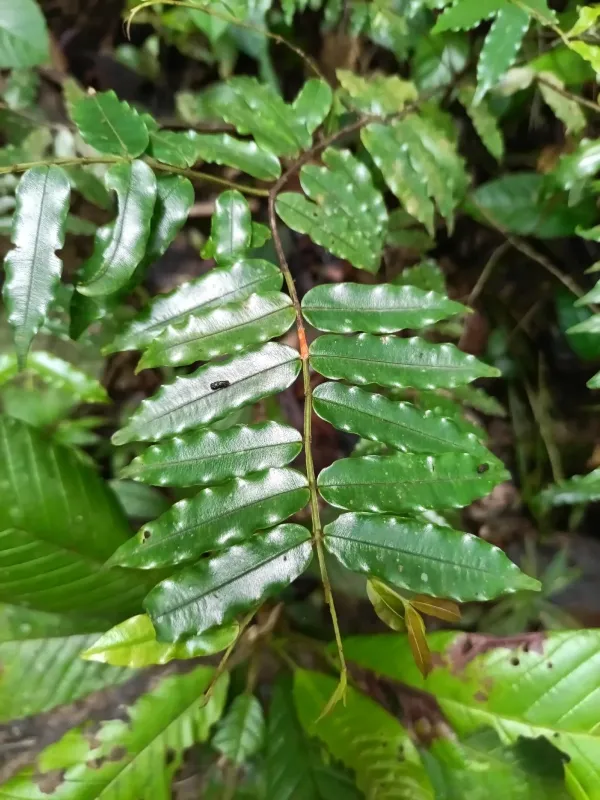
Description
Growing requirements
Ruizterania albiflora is a distinct tree species belonging to the Vochysiaceae family. In its natural habitat, it serves as a structural component of tropical forests, characterized by significant height and a well-developed canopy that contributes to regional biodiversity.
The species is native to the tropical regions of South America, with notable distribution patterns in Venezuela. It thrives in high-rainfall environments where the climate remains consistently warm, supporting its physiological needs for continuous growth throughout the calendar year.
Successful cultivation requires specific edaphic conditions, primarily focusing on well-drained, nutrient-rich soils. The plant is sensitive to waterlogged environments, which necessitates careful site selection to ensure adequate soil aeration and prevent root health issues.
Agronomic management involves providing sufficient sunlight, as the species exhibits heliophilous traits. Effective plantation establishment includes weed management during the juvenile growth phase to reduce competition for nutrients and solar radiation, allowing the tree to reach its potential.
Economic usage of this species is largely centered on its timber. The wood is valued for its physical properties, making it a viable candidate for sustainable forestry projects that focus on the production of durable materials for construction and high-end woodwork.
Main diseases and pests
The plant faces various biological threats, including specific tropical insect pests that can bore into the stems or damage foliage. Implementing an integrated pest management strategy is essential to prevent significant economic losses in commercial plantations.
Pathogenic fungi pose a consistent threat, particularly in environments with high humidity levels. These pathogens can affect the structural integrity of the wood, requiring foresters to employ systematic monitoring and proper spacing techniques to maintain optimal tree health.