
Anchietea pyrifolia
Anchietea pyrifolia
Description
Growing requirements
Anchietea pyrifolia is a perennial climbing shrub belonging to the Violaceae family. It is native to the tropical regions of South America, where it thrives in the dense, humid understory of native forests.
The plant requires a warm, frost-free climate to succeed. In a cultivation setting, it prefers environments with high ambient humidity and filtered sunlight, mimicking the conditions of the tropical forest floor.
Soil requirements include well-drained, nutrient-rich, organic-heavy compost. The substrate should be maintained moist, but it is critical to avoid waterlogging the root system, which can trigger fungal diseases.
As a vine, it requires trellis support to encourage vertical growth. Managing the density of the foliage is important to ensure adequate air circulation around the plant, preventing the development of pathogens.
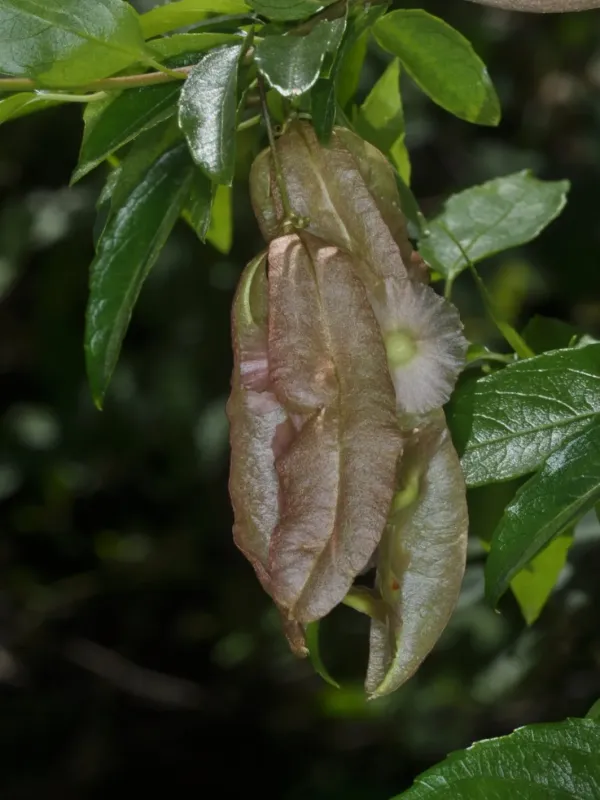
The botanical structure consists of leathery, pear-shaped leaves and delicate flowers. The plant is considered a woody climber, capable of significant growth in favorable tropical conditions.
Harvesting
The economic utility of Anchietea pyrifolia is primarily focused on the ethnomedical industry. Both leaves and roots are utilized due to their reported anti-inflammatory and cleansing properties.
Harvesting should be done sustainably. Leaves are picked during the active growth phase, ensuring the plant maintains enough foliage for ongoing photosynthesis and energy production.
Post-harvest processing requires immediate drying under controlled temperature conditions. Proper moisture management during the drying phase is essential to maintain the structural integrity of the plant's medicinal compounds.
Roots are harvested by selectively lifting parts of the root system. This method ensures that the plant can continue to regenerate and survive after the harvest process is completed.
The final raw material is often processed into extracts, tinctures, or poultices. These products are utilized in traditional local health practices, reflecting the plant's long history in its native regions.