
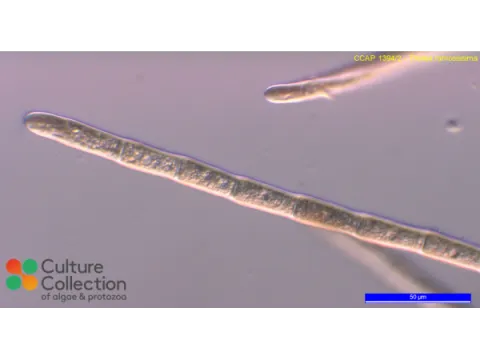
Thorea
Thorea
Thorea is not an agricultural crop in the traditional sense, as it refers to a genus of freshwater red algae belonging to the Thoreaceae family.
What the section contains

Thorea
In their natural habitat, these organisms reproduce via spores that disperse in the water column when conditions are favorable for colonization.
There is no standard agricultural sowing process for this genus, as its cultivation is generally limited to scientific research and laboratory settings.
Successful colonization requires specific substrates, such as rocks, submerged wood, or concrete structures situated in flowing water environments.
In artificial settings, propagation is typically managed in flow-through aquaria or bioreactors where water chemistry and flow velocity are strictly maintained.
The primary requirement for the development of Thorea is the availability of clean, flowing freshwater with high levels of dissolved oxygen.
These algae prefer water bodies such as rivers, streams, and canals with moderate current, where they attach securely to submerged objects.
The optimal temperature range for the development of the thallus varies by species, but they generally show peak growth during the spring and summer months.
Light intensity plays a critical role, as the culture requires moderate, diffused light and is sensitive to prolonged direct ultraviolet radiation exposure.
Water chemistry must remain stable, with a preference for neutral to slightly alkaline pH and low levels of anthropogenic nutrient loading.
A major threat to Thorea populations is the eutrophication of water bodies, which leads to the overgrowth of competing algae and phytoplankton species.
Pollution from heavy metals, agricultural pesticides, and domestic sewage leads to the rapid degradation and death of sensitive thalli.
Changes in hydrological regimes, such as dam construction or river drying, severely disrupt the natural habitats required for the survival of the genus.
Certain species of mollusks and aquatic insects act as grazers, consuming the biomass of the algae within their natural aquatic ecosystems.
Severe floods and subsequent siltation can cause physical destruction of the attached thalli, detaching them from their necessary substrate.