
Thorea hispida
Thorea hispida
Description
Growing requirements
Thorea hispida is a notable species of freshwater red algae classified under the family Thoreaceae. Unlike the vast majority of Rhodophyta species that inhabit marine environments, this organism has successfully evolved to colonize lotic freshwater systems across various continents.
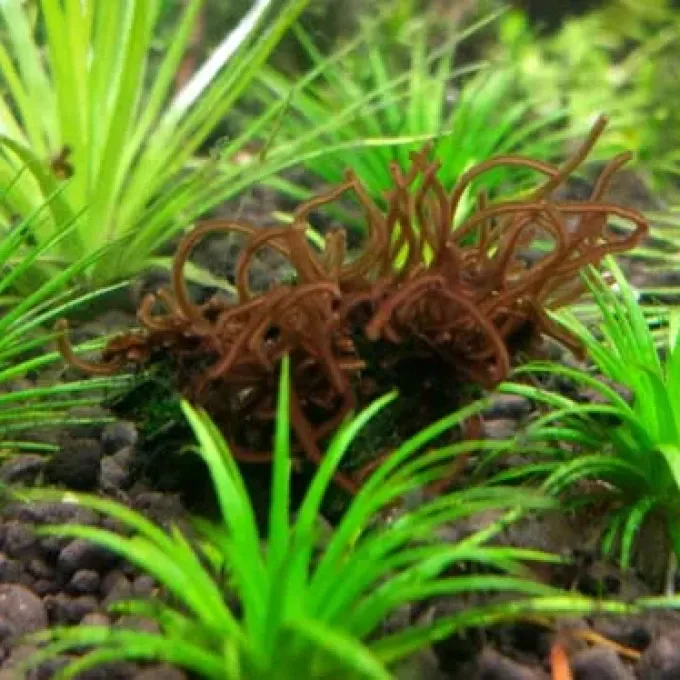
The morphology of this alga is characterized by a thallus that can grow significantly in length, featuring a complex structure of central axes covered by dense assimilation filaments. This specific architecture provides the plant with its signature bristly appearance.
Successful growth of this species is highly dependent on high water quality, specifically oxygen-rich, flowing waters. It typically anchors itself to submerged stones or stable substrates in streams and rivers, requiring moderate light penetration to support photosynthetic activity.
The ecological niche of Thorea hispida makes it a sensitive indicator of aquatic health. It cannot tolerate high levels of nutrient pollution or stagnant conditions, which makes its presence a positive sign of a healthy, balanced riparian ecosystem.
Regarding potential industrial applications, research into Thorea hispida is focused on its polysaccharide composition. These compounds are of interest in bio-materials research and the development of natural, sustainable ingredients for various commercial applications.