
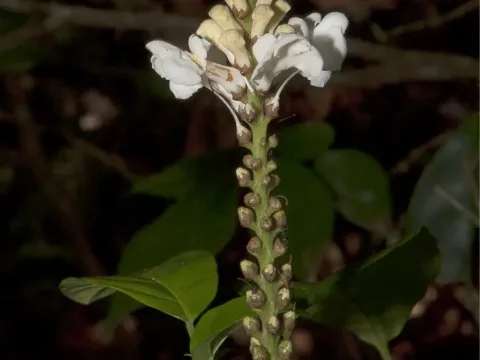
Thomandersia
Thomandersia
Thomandersia is a genus of tropical woody plants currently classified under its own family, Thomandersiaceae. Historically linked to Acanthaceae, it is now recognized for its distinct morphological and molecular characteristics.
What the section contains

Thomandersia
The native distribution of Thomandersia is centered in the tropical regions of West and Central Africa. These plants are typically found in the understory of dense rainforests, where they are adapted to low-light conditions.
Cultivation requires specific environmental conditions, primarily high humidity and consistently warm temperatures. The plant cannot tolerate frost or significant temperature fluctuations, making it suitable only for greenhouse or tropical open-field environments.
Soil preparation is critical; the plants thrive in well-draining, nutrient-rich substrates that mimic the natural leaf litter layer. It is essential to ensure that the rooting zone does not become waterlogged to prevent root rot.
In terms of agricultural management, Thomandersia needs shading during peak sun hours. Proper canopy management allows for optimal photosynthesis while preventing leaf scorch, which is common if the plant is exposed to direct, intense tropical sunlight.
The primary threats to Thomandersia include fungal pathogens that attack the foliage and stems under conditions of stagnant air and high humidity, leading to leaf spot diseases.
Insect pests, including aphids and scales, can infest the younger, succulent stems, causing stunted growth and reducing the overall vigor of the plant specimen.
Integrated pest management strategies are recommended, focusing on biological controls that minimize impact on the surrounding ecosystem and plant health.
Regular monitoring for early signs of nutrient deficiency or pest activity is essential, especially during the active growing season when the plant is most vulnerable.
Sanitation practices, such as removing dead plant material and disinfecting pruning tools, are vital to preventing the spread of diseases within the cultivation area.