
Thomandersia hensii
Thomandersia hensii
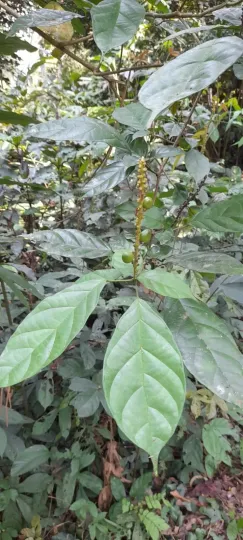
Description
Growing requirements
Thomandersia hensii is a botanical species within the Acanthaceae family, typically presenting as a woody shrub or small tree native to African tropical regions.
This plant requires a humid environment typical of tropical forests, where temperatures remain consistently warm and high levels of moisture are constant.
Soil requirements involve a rich, well-draining substrate with plenty of organic matter, replicating the natural nutrient-dense floor of a tropical rainforest.
Successful cultivation depends on providing adequate shading to protect the plant from harsh, direct sunlight, which can cause leaf scorch and dehydration.
Maintaining a stable microclimate is crucial for the plant's health, particularly regarding air humidity and protection from sudden temperature fluctuations.
Yield
The economic utilization of Thomandersia hensii is primarily focused on its medicinal properties, often utilized in local traditional herbal practices.
Agricultural yields are based on the sustainable harvesting of foliage and stems, which contain compounds of interest for pharmaceutical applications.
Productivity is enhanced when the plant is grown under conditions that mimic its wild habitat, ensuring steady biomass production throughout the growing season.
Manual harvest techniques are preferred to ensure the longevity of the plant, allowing for multiple harvests without compromising the plant's structural integrity.
Further research is required to standardize yields in large-scale agricultural settings, given the plant's specific ecological needs and slow growth rate.
Main diseases and pests
The primary threats include fungal pathogens that exploit high humidity levels if soil drainage is insufficient, potentially leading to root decay.
Insect pests such as leaf-miners and various tropical beetles represent a significant threat to the foliage, which can drastically reduce overall plant health.
Competition from aggressive weed species can impede the establishment of new plants, necessitating regular weeding and ground cover management.
Environmental stress, particularly prolonged dry spells, weakens the plant's natural defenses, making it more susceptible to opportunistic viral infections.
Management strategies should include preventive hygiene and regular monitoring of plant health to mitigate the impact of localized outbreaks of disease.