
Tetracarpaea
Tetracarpaea
Tetracarpaea is a monotypic genus of evergreen shrubs belonging to the Tetracarpaeaceae family. This unique plant is native exclusively to the mountainous regions of Tasmania, where it thrives in cool and misty environments.
What the section contains

Tetracarpaea
The culture requires a specific climate with high humidity and stable, cool temperatures. As a subalpine species, it is highly sensitive to heat stress and requires protection from direct, scorching sunlight in an artificial cultivation setting.
Soil requirements focus on acidic, well-draining substrates rich in organic matter. Proper drainage is the most critical factor for survival, as the root system is highly susceptible to rot when exposed to stagnant water conditions.
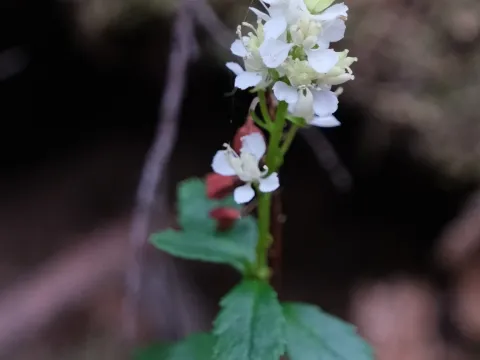
Botanically, Tetracarpaea is characterized by its stiff, leathery, and toothed leaves arranged in opposite pairs. The plant produces small, white, or creamy flowers arranged in erect racemes, contributing to its distinct morphological profile.
While the plant holds significant interest for botanists and specialized plant collectors, it has no industrial agricultural application. Its extremely slow growth rate and narrow ecological niche prevent it from being viable for widespread commercial or agricultural use.