
Tetracarpaea tasmannica
Tetracarpaea tasmannica
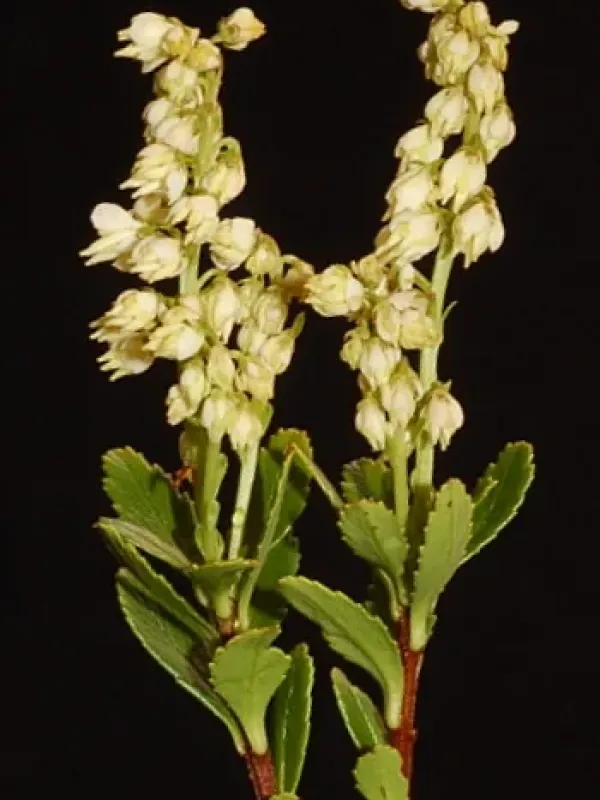
Description
Growing requirements
Tetracarpaea tasmannica is a remarkable evergreen shrub belonging to the monotypic family Tetracarpaeaceae. It stands out in botanical classification as a living relic, possessing unique structural characteristics that distinguish it from other flowering plants.
This species is endemic to Tasmania, Australia. It is primarily found in the high-altitude regions of the island, typically inhabiting cool, damp environments such as subalpine scrublands, mountain slopes, and the vicinity of mountain streams.
The climate requirements for this plant are quite specific, favoring high humidity and low temperatures. It is not adapted to heat or drought, which makes it challenging to cultivate in lowland areas or regions with significant temperature fluctuations throughout the year.
Soil requirements involve well-drained, acidic, and organic-rich substrates. In its natural environment, it thrives in rocky soils that ensure constant moisture levels without waterlogging, which is essential for maintaining the health of its root system.
Agricultural use for this species is non-existent as it is not a food or fiber crop. Its primary value lies in scientific research, as it provides critical data for taxonomists and evolutionary biologists studying the early divergence of saxifragalean lineages.