
Ixerba
Ixerba
Ixerba (Ixerba brexioides) is a unique evergreen tree belonging to the family Strasburgeriaceae. It is native to the North Island of New Zealand, where it is found in diverse forest ecosystems, often as part of the sub-canopy layer.
What the section contains

Ixerba
The plant requires a stable, humid, and temperate climate to flourish. It prefers deep, nutrient-rich soils that offer high levels of moisture retention while maintaining excellent drainage to prevent root damage from waterlogging.
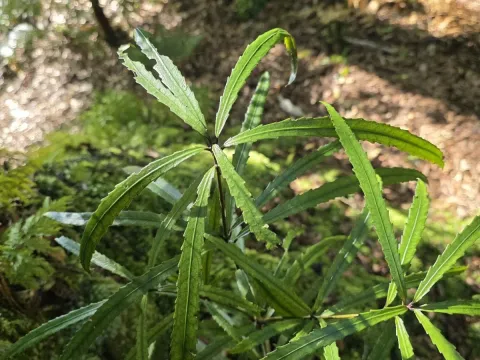
Botanically, Ixerba is recognized by its serrated, leathery, dark green leaves and clusters of white, star-shaped flowers that bloom in summer. It is a slow-growing tree that can reach significant heights in its natural, undisturbed habitat.
In terms of agricultural practice, Ixerba is not typically grown for commercial harvest but is cultivated for botanical research and conservation. It requires careful soil management to mirror its natural forest floor environment.
Light levels are crucial for the development of Ixerba. Young plants benefit from dappled shade, which protects them from excessive heat and direct sunlight exposure that could cause foliage scorch or moisture loss.
A major threat to Ixerba populations is the damage caused by introduced pests, specifically the common brushtail possum, which feeds on the tree's young shoots, buds, and flowers, hindering its reproductive success.
Pathogenic root rot infections are a significant risk, particularly in captive environments where soil aeration might be inadequate. Ensuring a well-structured soil profile is the primary defense against these fungal pathogens.
Invasive plant species can outcompete Ixerba in its native range, limiting the available light and soil nutrients. Conservation efforts often involve clearing competing vegetation around surviving specimens to support their growth.
Climate change and prolonged drought periods create physiological stress, making mature trees more susceptible to pest infestations and opportunistic diseases. Mitigation strategies often focus on maintaining optimal hydration.
General insect pests, such as aphids or scale insects, may affect young trees. Integrated pest management (IPM) practices are recommended to minimize damage while maintaining the ecological health of the planting site.