
Ixerba brexioides
Ixerba brexioides
Description
Growing requirements
Ixerba brexioides, commonly known as the Tawari, is a distinct evergreen tree species representing the sole member of the Strasburgeriaceae family native to New Zealand.
The plant is naturally found in the dense, moist forests of the North Island, thriving in areas that experience high annual rainfall and moderate temperatures.
In cultivation, it demands a well-drained, acidic soil rich in organic matter to mimic the forest floor environment of its native mountainous regions.
As a frost-intolerant species, it requires a protected environment, such as a greenhouse or conservatory, if grown in regions with significant temperature fluctuations.
Regular hydration is essential for this plant, as its foliage requires high ambient humidity to maintain its characteristic glossy appearance throughout the year.
Harvesting
The primary use of Ixerba brexioides is decorative, prized by botanic gardens and specialized horticultural collections for its striking inflorescences.
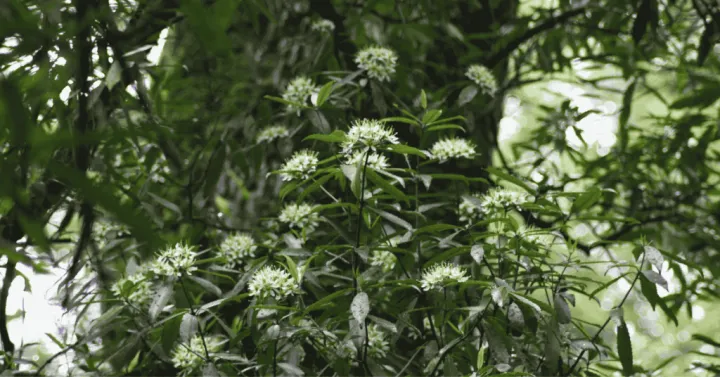
During the summer bloom, the tree produces abundant white flowers that are highly attractive to nectar-feeding birds and beneficial insects in its natural range.
Propagation is primarily achieved through seeds, although the harvest of viable material is challenging due to the complex maturation cycle of the seed capsules.
Seeds are contained within woody capsules that split open upon maturation, requiring careful monitoring to prevent the loss of potential planting material.
Due to the limited distribution and ecological sensitivity, sustainable harvesting practices are strictly enforced to preserve the species' wild populations.