
Manilkara huberi
Manilkara huberi
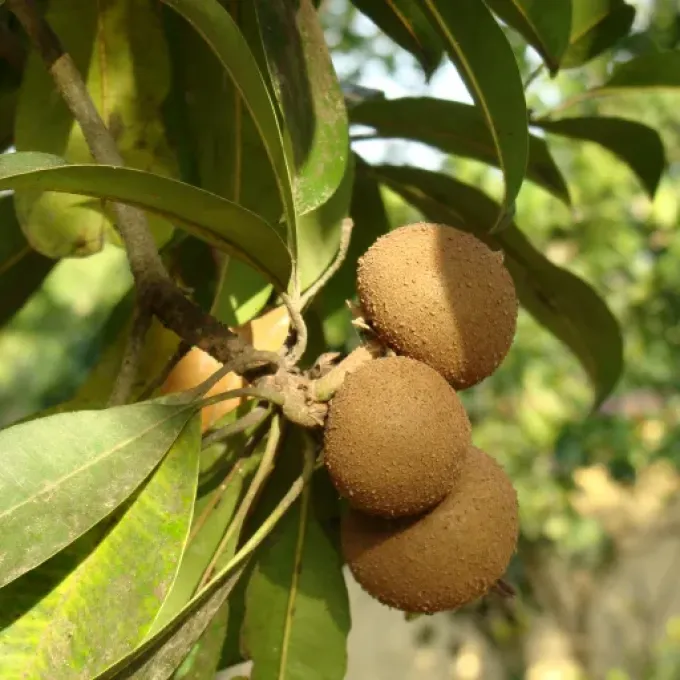
Description
Growing requirements
Manilkara huberi is a tall, evergreen tropical tree belonging to the Sapotaceae family. It is native to the Amazon rainforest, where it thrives in lush, humid environments and contributes significantly to the local ecosystem.
The climate requirements for this species are strict, necessitating high annual rainfall and consistently warm temperatures. Frost is lethal to the plant, and it requires protection from strong, desiccating winds in its juvenile stage.
Regarding soil preferences, the tree performs optimally in deep, fertile, and well-drained soils. While it can adapt to various soil types, maintaining adequate moisture levels without waterlogging is critical for healthy root development.
As a slow-growing species, Manilkara huberi invests resources into forming extremely dense and heavy wood. This biological trait makes it a long-lived tree, capable of reaching heights of 40 to 50 meters in pristine conditions.
Cultivation efforts must account for its shade-tolerant nature during the early growth phase. Providing appropriate spacing in plantations ensures that each tree receives sufficient nutrients and air circulation as it matures.
Harvesting
The primary economic output of the tree is the latex known as balata. This substance is a natural thermoplastic polymer that has been utilized in various industrial applications, including drive belts and sporting goods.
The timber of Manilkara huberi is highly prized for its exceptional density and resistance to decay, termites, and harsh weather conditions. It is frequently sought after for heavy-duty structural engineering projects.
In addition to industrial products, the tree produces edible fruits that are appreciated for their nutritional value. Local communities often incorporate these fruits into their diets, utilizing them as a sustainable food source.
Sustainable harvesting techniques are essential for the long-term viability of balata extraction. Implementing rotational tapping cycles allows the tree to recover, preventing damage to the cambium layer and ensuring continuous yield.
Commercial harvesting of timber must be managed under strict regulatory guidelines to prevent deforestation. By promoting agroforestry and sustainable forest management, the cultivation of this species can remain ecologically and economically balanced.