
Zieria cytisoides
Zieria cytisoides
Description
Growing requirements
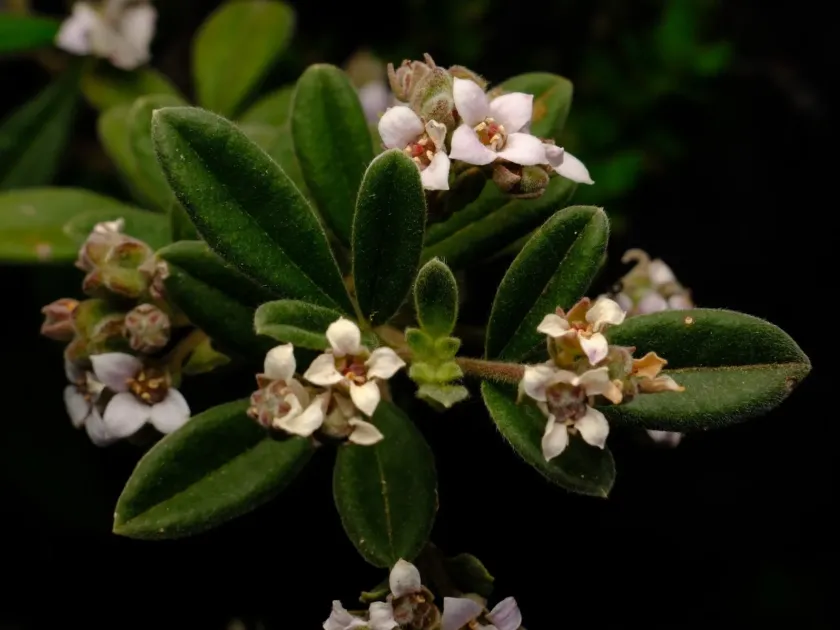
Zieria cytisoides is a charming evergreen shrub belonging to the Rutaceae family. Native to the eastern regions of Australia, it is prized for its aromatic foliage and delicate, star-shaped flowers that appear in clusters.
Cultivation of this plant requires specific soil conditions. It thrives in well-drained, sandy, or loamy soils with a slightly acidic pH. Poor drainage is the most significant limiting factor, often leading to the rapid decline of healthy specimens.
The plant performs best in a position that offers full sun to partial shade. In its natural habitat, it adapts to various light levels, but consistent light exposure is necessary to maintain a compact, bushy growth habit and encourage heavy blooming.
Watering requirements are moderate. Once established, Zieria cytisoides demonstrates a degree of drought tolerance, although it appreciates regular hydration during the intense heat of summer. Avoid overhead watering to reduce the risk of leaf diseases.
Regarding fertilizer, it is essential to be cautious. Like many Australian native plants, it is sensitive to high levels of phosphorus. Using low-phosphorus slow-release fertilizers is the recommended approach for optimal growth and vitality.
Main diseases and pests
Root rot is the primary threat to the health of Zieria cytisoides. This pathogen-driven issue typically arises from improper soil drainage or over-irrigation, leading to the decay of the root system.
Scale insects can become a problem, attaching themselves to the stems and branches. These pests suck nutrients from the plant, causing yellowing of leaves and overall stunting if the infestation is not managed promptly.
Aphids often target the tender new growth during the spring flush. While usually not fatal, heavy aphid pressure can deform the foliage and facilitate the growth of sooty mold on the honeydew secreted by the insects.
Fungal leaf spot diseases may develop during periods of high humidity and rainfall. To mitigate this risk, ensure adequate spacing between plants to promote airflow and prevent the buildup of moisture in the canopy.
Integrated pest management, including regular inspection and the use of targeted horticultural oils or soaps, is the most effective way to protect the plant from these biological threats throughout the growing season.