
Orixa japonica
Orixa
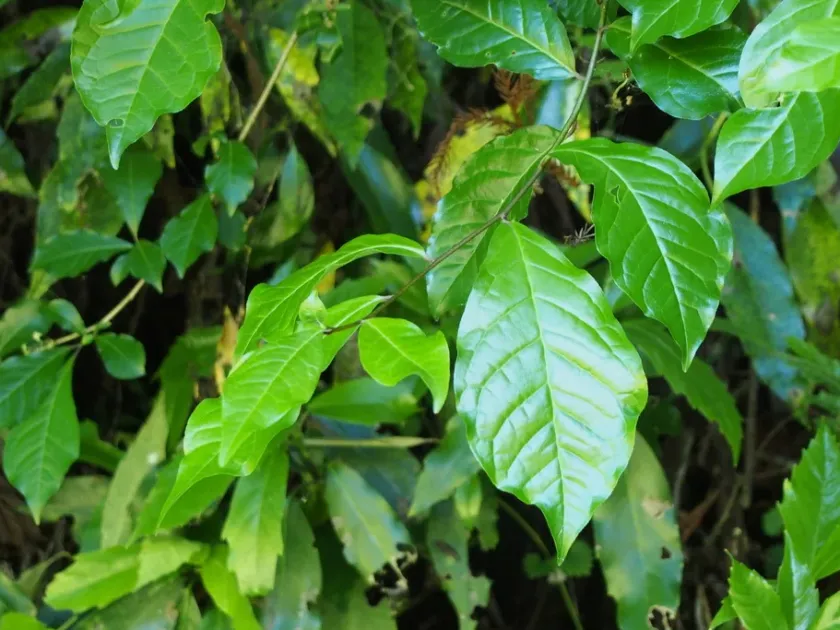
Description
Sowing dates
The propagation of Orixa japonica is most effectively achieved through seed germination and semi-hardwood cuttings collected during the summer season.
Seeds benefit from a period of cold stratification, which can be accomplished by sowing them outdoors in autumn or keeping them in a moist medium in a refrigerator for several weeks.
When propagating via cuttings, it is advisable to use a rooting hormone and place the cuttings in a well-draining substrate to ensure optimal root development.
Young plants should be kept in a nursery area for at least one full growing season before being transplanted to their final location in the landscape.
During the transplantation process, careful handling of the root ball is essential to prevent shock and ensure the long-term vitality of the shrub.
Growing requirements
Orixa japonica thrives in moist, well-drained, and nutrient-rich soils with a slightly acidic to neutral pH level for the best vegetative output.
Ideally, the shrub should be planted in a location that receives partial shade, protecting it from the intense afternoon sun that can scorch its foliage.
Watering requirements are moderate; however, it is crucial to keep the soil consistently moist throughout the growing season to prevent drying out.
The shrub is somewhat frost-hardy but benefits from protection during its juvenile stage, especially in climates prone to sharp temperature drops in winter.
Regular application of compost or organic mulch is recommended to support soil health and provide the necessary nitrogen for lush leaf production.
Main diseases and pests
The shrub is generally considered to be quite resistant to major pests, but it remains susceptible to aphids and spider mites during dry, hot periods.
Fungal issues such as leaf spot or powdery mildew can occur if the plant is grown in conditions with poor airflow or excessive humidity.
Prevention is the best strategy: ensure the shrub is spaced adequately from other plantings to maintain good air circulation throughout the crown.
Monitoring the undersides of leaves is vital for detecting early signs of mite infestation before they cause significant damage to the plant's aesthetic value.
If chemical intervention becomes necessary, use targeted treatments rather than broad-spectrum insecticides to preserve the balance of the local ecosystem.