
Melicope lunu-ankenda
Melicope lunu-ankenda
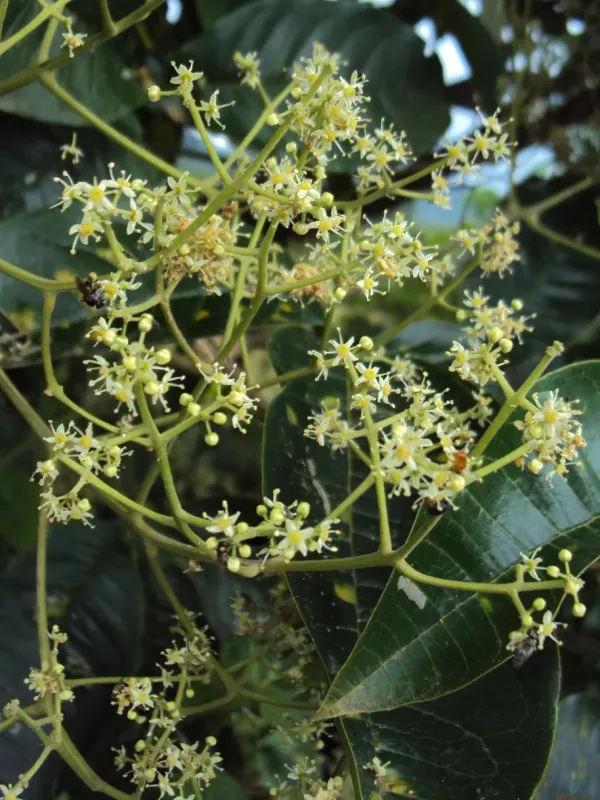
Description
Growing requirements
Melicope lunu-ankenda is a species of evergreen tree belonging to the Rutaceae family. It is recognized for its robust growth habit and aromatic foliage, which is a characteristic feature of the citrus-related family, providing a distinct fragrance when leaves are crushed.
The natural habitat of this species spans tropical regions of Southeast Asia, including parts of India, Sri Lanka, and the Indo-Malayan zone. The tree thrives in moist forest environments, showing a preference for stable temperatures and high annual rainfall patterns typical of tropical climates.
Successful cultivation requires fertile, well-drained soil with a slightly acidic to neutral pH. The tree is intolerant to waterlogged conditions, making appropriate site selection and drainage management critical during the establishment of any commercial plantation or forest stand.
The tree serves significant economic purposes, ranging from timber production to its application in traditional medicine. The wood is valued for its durability and versatility, while various plant extracts are studied for their potential antiseptic and anti-inflammatory biological activities.
Optimal agro-tech practices involve maintaining adequate space between trees to ensure proper sunlight penetration and air circulation. Regular monitoring of nutrient levels in the soil is recommended to support continuous growth and ensure the production of high-quality biomass throughout the plant's life cycle.
Main diseases and pests
The primary threats to Melicope lunu-ankenda include fungal infections that manifest as leaf spots or stem decay, particularly in areas with poor ventilation or stagnant humidity. Implementing proper spacing and pruning techniques is essential to mitigate these biological risks.
Insect pests, such as mites, aphids, and various leaf-eating beetles, pose a challenge to young trees and nursery stocks. These organisms can severely stunt growth and reduce the overall physiological health of the plantation if left unmanaged.
Integrated pest management (IPM) strategies are highly recommended to control populations of harmful insects. This includes the use of biological control agents and localized application of pesticides only when economic thresholds of pest density are exceeded.
Sanitation practices, such as the removal of deadwood and infected foliage, play a vital role in maintaining the overall hygiene of the orchard. These efforts prevent the buildup of inoculum and reduce the likelihood of large-scale disease outbreaks within the stands.
Strengthening the tree's natural immunity through balanced fertilization and proper irrigation management remains the best defense against environmental stressors. Healthy, well-nourished plants are generally more capable of recovering from pest pressure and localized infections.