
Russian plum
Prunus x rossica Eremin
Description
Growing requirements
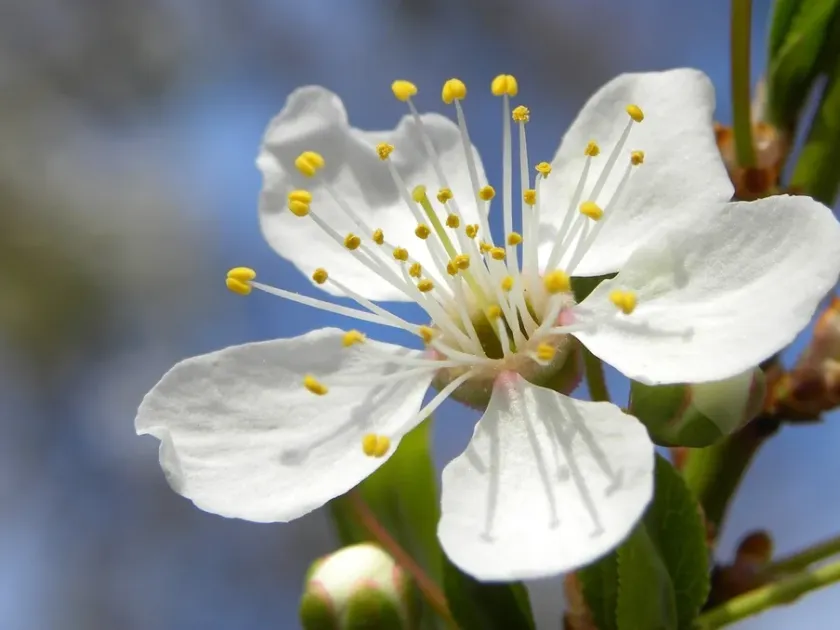
The Russian plum (Prunus x rossica) is a hybrid species resulting from the cross-breeding of cherry plum (Prunus cerasifera) and Chinese plum (Prunus salicina), belonging to the Rosaceae family.
This fruit crop is highly adaptable to various environments, though it thrives best in sunny areas with fertile, well-drained soil and a neutral pH level.
The trees are sensitive to waterlogging; therefore, avoid planting in low-lying areas or locations where groundwater levels are excessively high.
The Russian plum exhibits superior winter hardiness compared to traditional European plum varieties, making it suitable for regions with harsher climates.
Cross-pollination is often necessary, so planting multiple compatible varieties in the same orchard significantly improves fruit set and overall yield.
Yield
One of the key characteristics of the Russian plum is its early fruiting, with trees often producing their first harvest just two to three years after planting.
The crop is highly productive, offering reliable and abundant yields that often outperform traditional plum varieties in a variety of climatic conditions.
The fruits exhibit a wide range of colors and possess excellent organoleptic qualities, making them highly desirable for fresh consumption and culinary use.
- Fresh consumption
- Jams and preserves
- Fruit juices and sauces
- Frozen produce
With proper pruning and orchard maintenance, a tree can remain highly productive for nearly two decades, ensuring a consistent fruit supply.
Main diseases and pests
The most significant threats to the Russian plum are fungal diseases, specifically monilinia rot and clasterosporium, which can severely impact yield.
Coccomycosis is another common concern that causes premature defoliation, leading to stress and reduced vigor in the trees during the growing season.
Pests such as plum fruit moth and various aphid species can cause direct damage to the fruit and developing shoots, requiring diligent monitoring.
Preventative measures, such as proper pruning for airflow and the removal of infected plant debris, are essential for maintaining orchard health.
Strategic application of fungicides and insecticides must be timed correctly to protect the crop without compromising the quality of the harvested fruit.
Harvesting
Harvesting Russian plums is typically done in multiple passes, as the fruits ripen asynchronously across the tree canopy over several weeks.
It is recommended to pick fruit during dry conditions to minimize the risk of post-harvest rot and maintain the integrity of the fruit's skin.
If the fruit is intended for shipping, harvest should occur slightly before full maturity, while the texture is still firm enough for handling.
For immediate consumption or processing, waiting until the fruit is fully ripe ensures maximum sweetness and optimal aromatic development.
Properly handled fruit can be stored for several weeks in temperature-controlled environments, maintaining freshness and quality for the consumer.