
Plum hybrids
Prunus hybr.
Description
Growing requirements
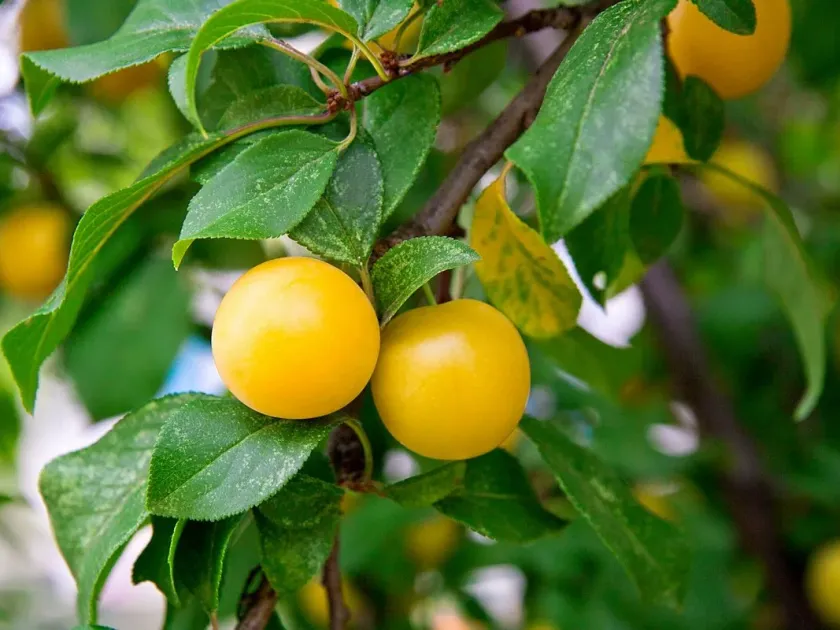
Plum hybrids are interspecific plants belonging to the Rosaceae family, created to combine desirable traits such as high fruit quality, disease resistance, and environmental adaptability. These hybrids often incorporate genetics from plums, apricots, and cherry plums to create more resilient cultivars.
Successful cultivation requires well-drained, fertile soil with a slightly acidic to neutral pH. Proper soil preparation before planting is essential to ensure deep root penetration, while adequate sunlight exposure is critical for the development of high-quality fruit and optimal sugar accumulation.
Climatic requirements vary by specific hybrid, but most are bred for increased cold hardiness compared to traditional species. They require a balanced approach to irrigation, especially during the fruit-setting stage, to prevent moisture stress and fruit drop in hot weather.
Agricultural management includes systematic pruning to maintain an open canopy structure, which improves air circulation and sunlight penetration. Fertilization programs should be tailored to soil testing results to provide necessary macro and micronutrients for vigorous tree development.
The economic use of plum hybrids is diverse, spanning from fresh market sales to industrial processing into juices, preserves, and gourmet dried products. Their enhanced sensory profile makes them highly valued by both consumers and fruit processors alike.
Main diseases and pests
Common diseases affecting plum hybrids include Brown Rot (Monilinia), shot-hole fungus, and bacterial spot. Preventive management involves integrated pest management (IPM) practices, such as pruning infected wood and applying appropriate fungicides during dormant and growing seasons.
Pest management focuses on controlling the plum curculio, aphids, and fruit moth larvae. Regular scouting and the application of environmentally safe insecticides are key components in preserving crop yields and maintaining orchard sanitation throughout the season.
Harvesting
Harvesting timing is determined by visual signs of maturity and sugar testing, often involving multiple picks as the fruit ripens unevenly. Careful handling is necessary to prevent bruising and to maintain the natural wax coating that protects the fruit skin.
Post-harvest management is crucial for marketing quality, involving rapid cooling to remove field heat and storage in optimal temperature conditions. This helps extend shelf life and ensures that the hybrid plums reach the consumer in perfect condition.