
Prunus incisa x yedoensis
hybrids between Prunus incisa Thunb. and Prunus x yedoensis Matsum.
Description
Growing requirements
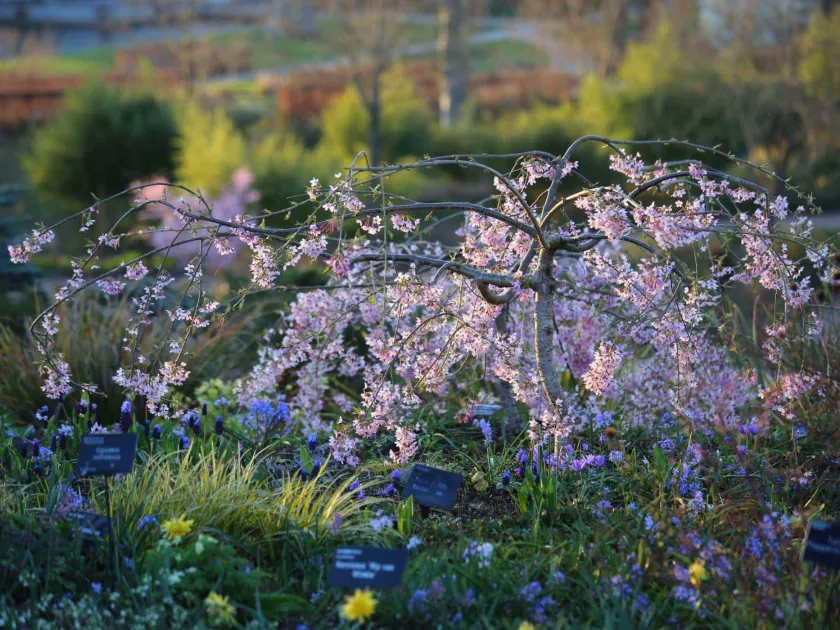
Prunus incisa x yedoensis is an ornamental hybrid belonging to the Rosaceae family. Developed from the cross-breeding of Fuji cherry (Prunus incisa) and Yoshino cherry (Prunus x yedoensis), it represents a unique combination of delicate floral display and compact, manageable growth habit.
This tree thrives in full sun exposure and requires well-drained, fertile soils to reach its full potential. While it adapts to various soil types, maintaining a neutral to slightly acidic pH level is optimal for nutrient uptake and overall tree vigor.
Climate requirements include protection from extreme temperature fluctuations and drying winds. In colder hardiness zones, providing mulch around the root zone helps regulate soil temperature and moisture retention during the winter months.
Cultural practices involve supplemental watering during dry spells to ensure consistent growth. Applying balanced fertilizers in early spring supports the development of lush foliage and the abundance of blossoms characteristic of this hybrid.
In landscaping, this cultivar is highly valued for its aesthetic versatility. It serves as an excellent specimen plant, contributing a refined structural element to borders, ornamental gardens, and urban green spaces.
Main diseases and pests
The primary fungal threats to this hybrid include Monilinia (brown rot) and Coccomyces (leaf spot). These diseases can significantly impact the visual appeal of the tree, especially in regions with high spring humidity and poor air circulation.
Proactive management involves the removal of diseased wood and fallen leaf litter to reduce inoculum levels. Fungicide applications during the bud-break stage can provide essential protection against primary infections.
Insect pests such as aphids and leaf-rolling caterpillars are common concerns. These pests target succulent new growth, which can lead to stunted branch development and disfigured leaf structures throughout the summer season.
Integrating biological and chemical control methods is recommended when infestation levels threaten the tree's vitality. Regular monitoring allows for early detection and targeted interventions before significant damage occurs.
Maintaining high horticultural standards, including proper pruning techniques to allow sunlight and airflow into the canopy, is the most effective way to minimize disease and pest pressure on this ornamental cherry tree.