
Plumcot
hybrids between Prunus armeniaca and Prunus domestica
Description
Growing requirements
The plumcot (Prunus armeniaca × Prunus domestica) is an interspecific hybrid that successfully combines the most desirable characteristics of both plums and apricots. Belonging to the Rosaceae family, this tree requires sunny and sheltered locations to thrive and reach its full genetic potential.
The ideal soil for a plumcot is a fertile, well-drained loam or sandy loam with a neutral pH. Proper soil management is critical; the root system is highly sensitive to waterlogging, so ensuring effective drainage is mandatory to prevent root rot and overall tree stress.
Climate requirements mirror those of standard plums, but plumcots often show increased sensitivity to late spring frosts during the blooming stage. In colder climates, selecting hardy cultivars with late-flowering patterns is the best strategy for ensuring a consistent harvest.
Agricultural management involves regular irrigation, especially during fruit set and dry summer months. Annual pruning is essential to maintain tree vigor, open the canopy for light penetration, and facilitate the harvesting process while keeping the tree structurally sound.
Since many plumcot varieties are not self-fertile, cross-pollination is often necessary. Planting compatible plum or apricot varieties nearby ensures optimal pollination rates, which directly translates into higher crop yields for the orchard.
Yield
The yield of a plumcot tree is highly dependent on effective cultural practices and the specific environmental conditions of the site. Trees typically enter their productive phase within 3 to 5 years after planting, with yields increasing significantly as the tree matures.
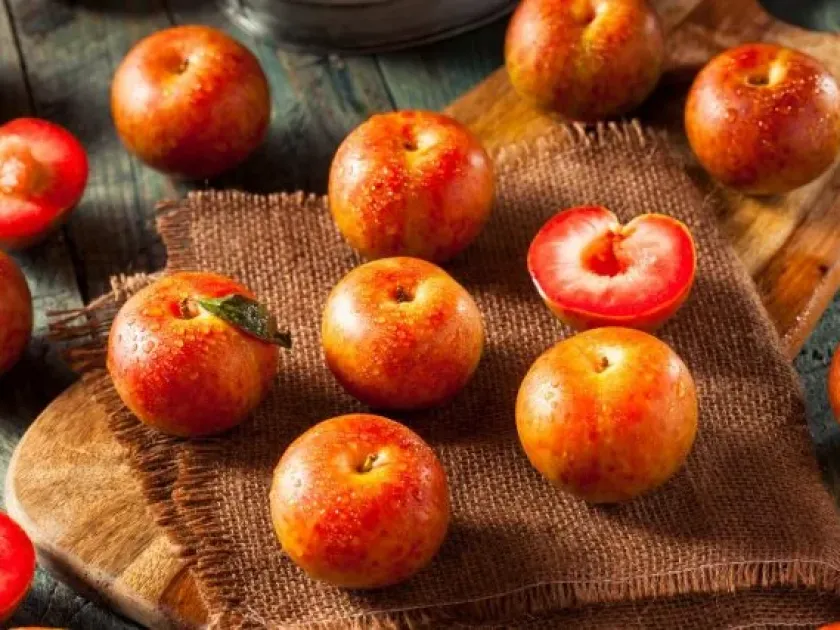
Plumcots are prized for their intense, complex flavor profile, combining the sweetness of an apricot with the juicy, tart texture of a plum. Fruit size and color can vary widely depending on the variety and the management of the tree.
High-density orchard setups utilizing drip irrigation often show superior performance, as consistent water availability during the expansion phase prevents skin cracking and promotes larger, more uniform fruit production.
The primary economic use for plumcots is the fresh fruit market due to their premium quality and unique culinary appeal. However, they are also highly suitable for artisanal preserves, drying, and other value-added food products.
Managing the crop load through thinning is a vital task to ensure long-term productivity. By removing excessive fruitlets during the early season, growers prevent the tree from becoming overtaxed and ensure the remaining fruit develops optimal sugar levels and size.
Main diseases and pests
Key diseases affecting plumcots include Monilinia (brown rot), Coryneum blight, and various fungal leaf spot pathogens. Effective disease control relies on a rigorous preventive spraying program with fungicides before and after the blooming phase, combined with excellent canopy management.
Common pests include the plum curculio, aphids, mites, and scale insects. Implementing an Integrated Pest Management (IPM) strategy, which balances biological controls with selective chemical interventions, is the most sustainable way to manage these populations.
Sanitation is a cornerstone of disease control. Orchardists must remove and destroy fallen leaves and mummified fruit, as these represent the primary overwintering sites for pathogens and insect larvae that threaten the subsequent year's harvest.
Air circulation is crucial for reducing the risk of fungal infections. Proper canopy structure and spacing between trees prevent stagnant, humid air pockets, effectively minimizing the environmental conditions favorable to pathogens.
Continuous monitoring throughout the growing season is essential for detecting early signs of infestation. Prompt action at the first signs of stress or pest presence can significantly reduce the impact of these threats on total fruit yield and tree health.
Harvesting
Harvesting plumcots requires precision as fruits often do not ripen simultaneously across the entire tree. Multiple passes are usually necessary to collect fruits at the ideal stage of maturity, characterized by vibrant skin coloration and a slight softening of the fruit.
Due to the delicate nature of the skin and flesh, fruit handling must be extremely careful to prevent bruising. Using padded containers and minimizing drop heights during the transition from the tree to the packing crate are essential steps for maintaining high fruit quality.
For markets requiring transport, fruit should be picked slightly firm, a few days before reaching peak eating ripeness. Proper post-harvest cold storage, typically between 0 and 2 degrees Celsius with high humidity, significantly extends the shelf life of the fruit.
Efficient sorting at the time of harvest allows growers to categorize fruit based on size and quality, ensuring that premium-grade items reach fresh markets while processing-grade fruits go to value-added production lines.
Post-harvest care of the tree, including supplemental irrigation and late-season fertilization, is necessary to help the plant recover resources. This ensures the tree enters the dormancy period in a healthy state, ready for the next growth cycle.