
Chinese dwarf cherry
Prunus humilis Bunge
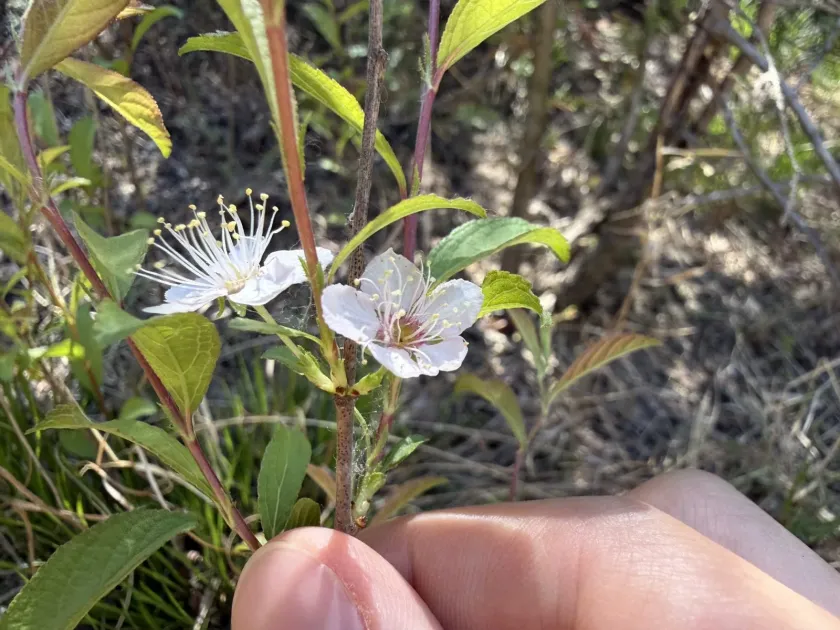
Description
Growing requirements
The Chinese dwarf cherry (Prunus humilis Bunge) is a perennial deciduous shrub belonging to the Rosaceae family. Native to the regions of Northern China, Korea, and Mongolia, it has evolved to thrive in harsh, continental environments.
This species is characterized by its compact habit, rarely exceeding 1.5 meters in height, and its remarkable cold tolerance. Its dense, thin branches create a decorative appearance that makes it a popular choice for both fruit production and ornamental landscape design.
For successful cultivation, well-drained, light-textured soils are essential. The plant prefers neutral to slightly alkaline pH levels and is highly sensitive to waterlogging, which can cause significant damage to its root system.
Sunny, open locations are critical for the plant to achieve its full potential, as shading often results in poor flowering and decreased fruit set. Proper maintenance includes periodic pruning to stimulate new growth and maintain the structural health of the shrub.
In terms of agricultural utility, the fruits are highly valued for their nutritional profile, being rich in organic acids and vitamins. They are processed into jams, syrups, and fermented beverages, making them a valuable crop for sustainable home-scale gardening.
Yield
The yield of Prunus humilis is heavily dependent on cross-pollination efficiency. Planting multiple genetically distinct bushes ensures better fruit set, with mature plants typically producing several kilograms of berries per season.
Main diseases and pests
The main threats to the plant health include fungal diseases such as leaf spot and brown rot, particularly during humid seasons. Good air circulation through proper pruning is the most effective cultural method to prevent these infections.
Pests such as aphids and sawfly larvae can affect the leaf surface and reduce the plant's overall vigor. Implementing an integrated pest management approach, including biological controls, is highly recommended to sustain a healthy and productive crop.