
Common ninebark
Physocarpus opulifolius (L.) Maxim.
Description
Growing requirements
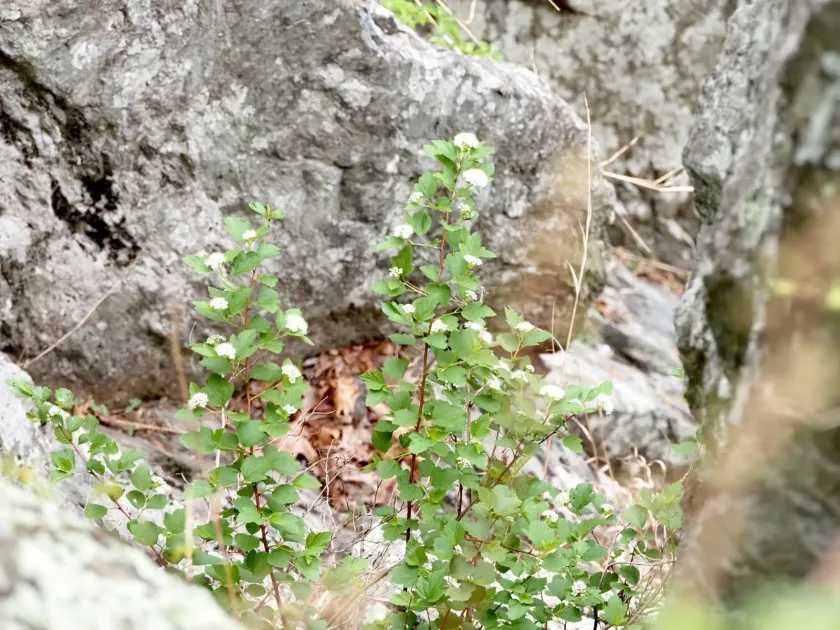
Common ninebark (Physocarpus opulifolius) is a deciduous shrub in the Rosaceae family, widely recognized for its arching branches and exfoliating bark which provides year-round visual interest.
Native to North America, this species is highly valued in agriculture and landscaping for its durability, adaptability to various soil types, and resistance to environmental stress.
The crop thrives in full sun to partial shade; however, optimal color development in foliage cultivars requires consistent direct sunlight for at least six hours per day.
It prefers well-drained, slightly acidic to neutral soils, showing high tolerance for both dry conditions once established and occasional periodic saturation in riparian-like zones.
Maintenance involves routine pruning to remove deadwood and shape the canopy, along with a balanced fertilization schedule during the early spring to promote vigorous new growth.
Main diseases and pests
Iron chlorosis is a common physiological disorder in this species, often triggered by alkaline soil conditions that prevent the roots from effectively absorbing essential minerals.
Aphids are the primary insect pests, colonizing the succulent tips of young shoots and causing curling of leaves and reduced overall photosynthetic efficiency of the plant.
Powdery mildew is a prevalent fungal disease that appears during periods of high humidity and poor air circulation, necessitating improved spacing between shrub specimens.
To mitigate disease risks, it is essential to ensure that the site has adequate drainage and that the shrub is not overcrowded by other vegetation which traps moisture.
Integrated pest management strategies, including the use of horticultural oils and promoting beneficial insect populations, are recommended for long-term health control.