
Marcetella maderensis
Marcetella maderensis
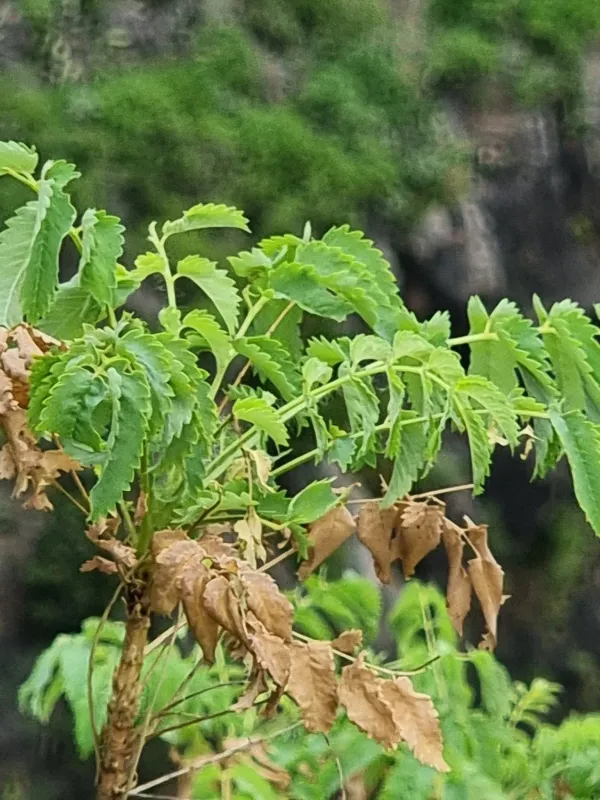
Description
Growing requirements
Marcetella maderensis is a distinctive woody shrub belonging to the Rosaceae family. This species is native to the island of Madeira, thriving in the specific ecological niches provided by the island's unique topography.
In terms of climatic conditions, the plant prefers stable, mild temperatures typical of subtropical maritime environments. It requires protection from strong winds that can physically damage its foliage.
Regarding soil, the plant necessitates well-drained substrates with a neutral to slightly acidic pH. The structure of the soil must ensure sufficient oxygen exchange for the root system, preventing compaction.
Cultural management involves precise irrigation schedules to maintain soil moisture without inducing waterlogging. Drought periods should be carefully monitored, especially for young, non-established specimens.
For optimal development, the cultivation environment should simulate its natural habitat, providing filtered light to prevent heat stress during peak afternoon hours in warmer climates.
Main diseases and pests
The primary threats to Marcetella maderensis involve fungal pathogens that target the root zone and stems when plants are exposed to excessively damp environments.
Insect pests, including various mites and soft-bodied scale insects, may infest the foliage and succulent stems, potentially hindering the plant's overall growth.
Disease management strategies emphasize the importance of spacing to facilitate airflow, which is the most effective preventative measure against widespread fungal outbreaks.
Regular monitoring for early signs of leaf discoloration or irregular growth is essential for timely intervention and preservation of plant health.
Integrated pest management, focusing on cultural control and targeted applications of bio-pesticides, is recommended to ensure the long-term sustainability of this crop.